

Chapter one
How water gets in around a chimney stack
A stack is brick, mortar, lead and a cap in one narrow tower, and driving rain finds whichever of them has weakened first.
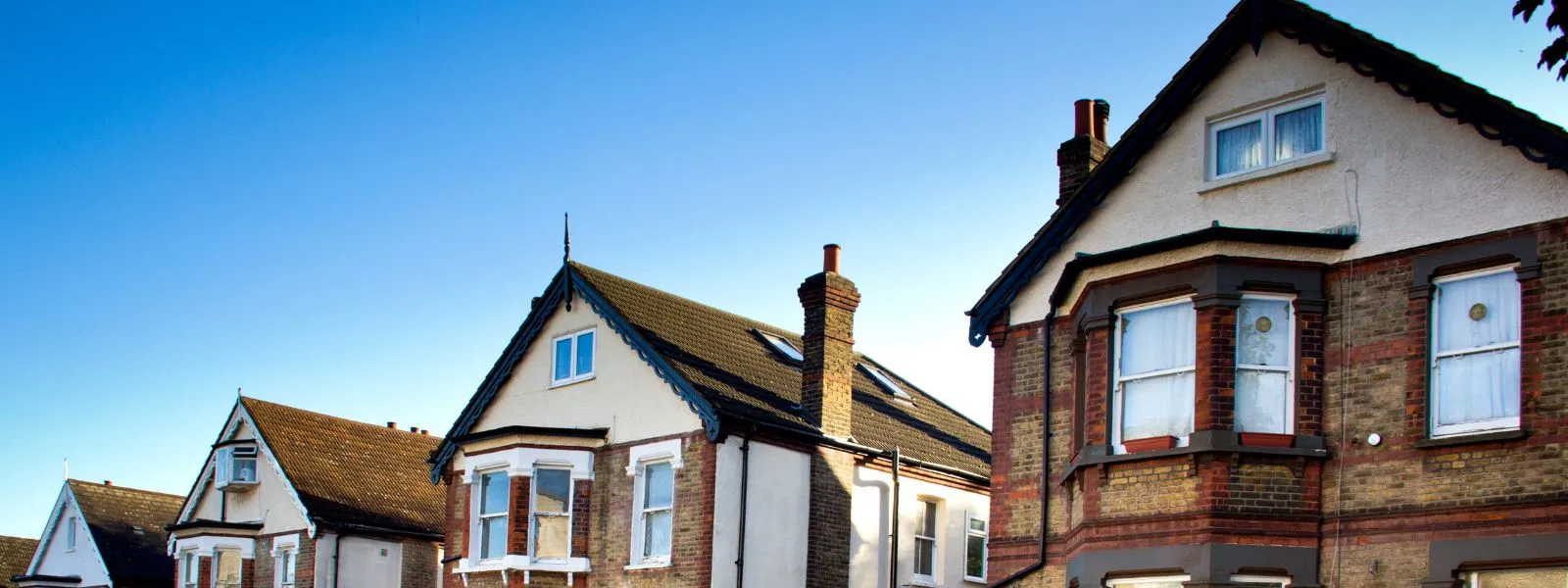
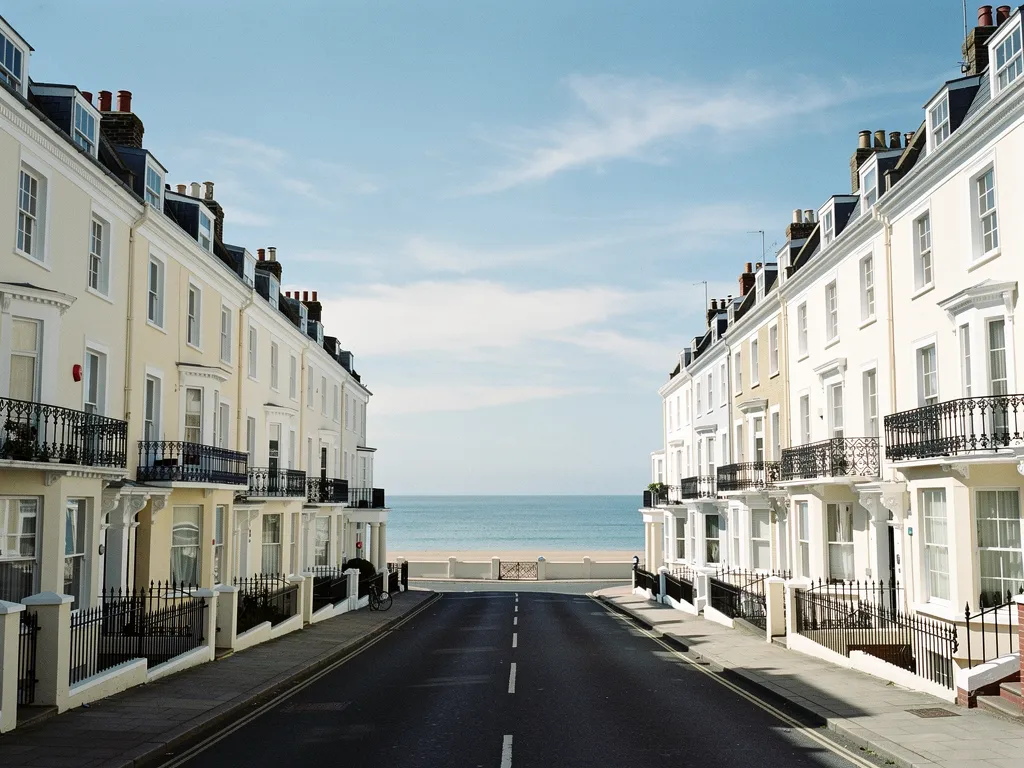
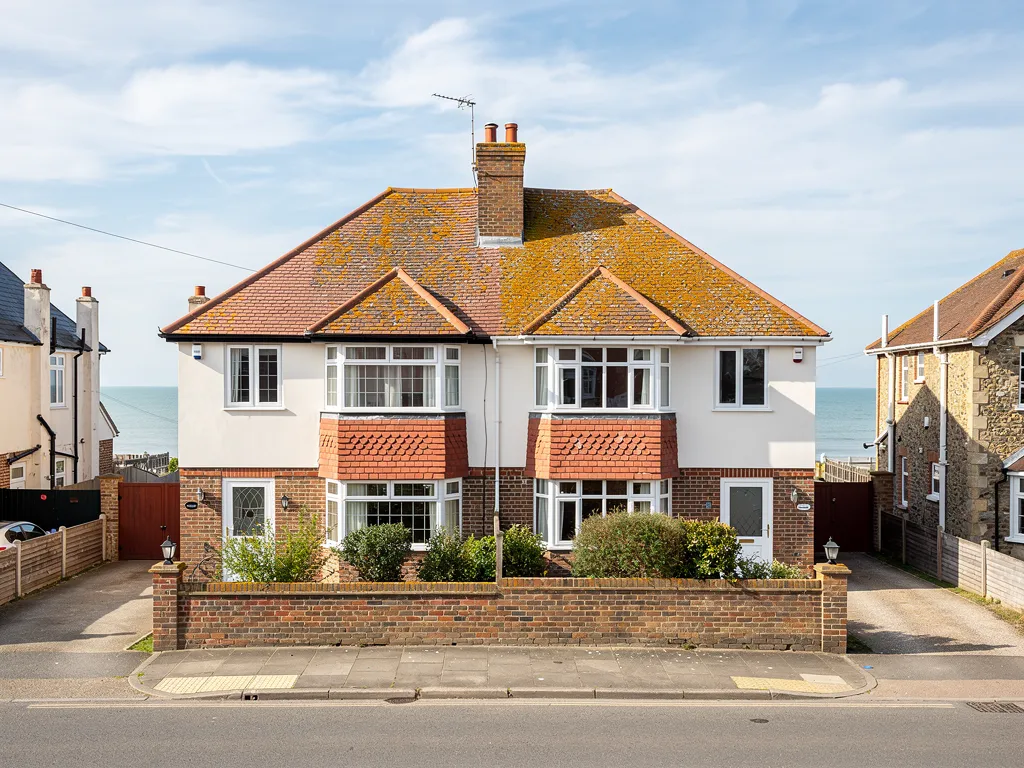
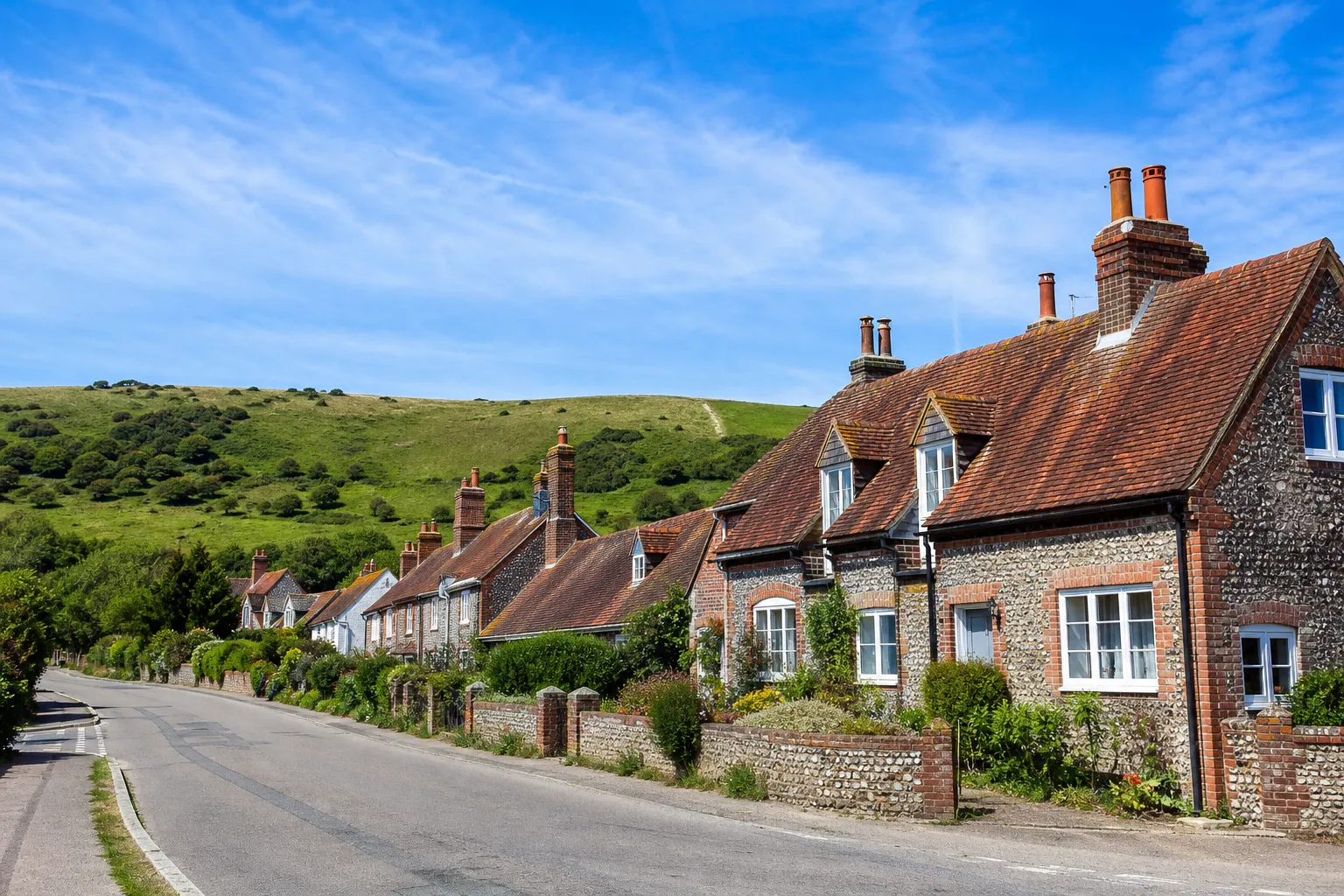
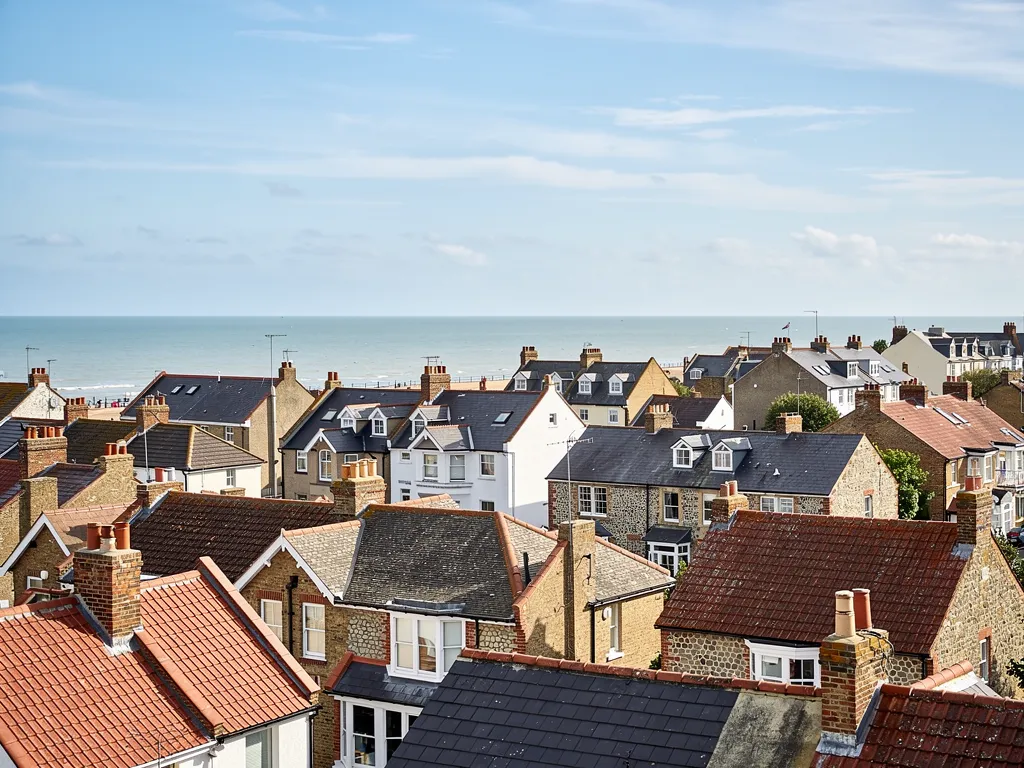
A chimney is the most exposed part of a house. It stands clear of the roof, takes wind and rain on every face, and is built from materials that expand and shrink at different rates. Brick, mortar, a sloping cap round the pots, sheet lead where the stack meets the roof, and a flue down the middle: any of them can let water in, and a stain on the chimney breast in the room below rarely says which. The Victorian and Edwardian terraces near Worthing seafront and across Brighton and Hove have tall stacks, often with several pots, standing in the full weather coming up the Channel. On a 1930s semi in Goring or Durrington the stack may stand on the party wall and serve both houses. Post-war bungalows along the coast have shorter, plainer stacks that are easier to reach and just as open to the weather.
At a glance
- The cap, the brickwork, the lead and the flue each leak differently
- A stain on the breast may start at any of the four
- The loft beside the stack tells us which one it is
Note The UK is mapped into four driving-rain exposure categories under BS 8104, as Marley's design guidance explains.
1.1 The four routes in
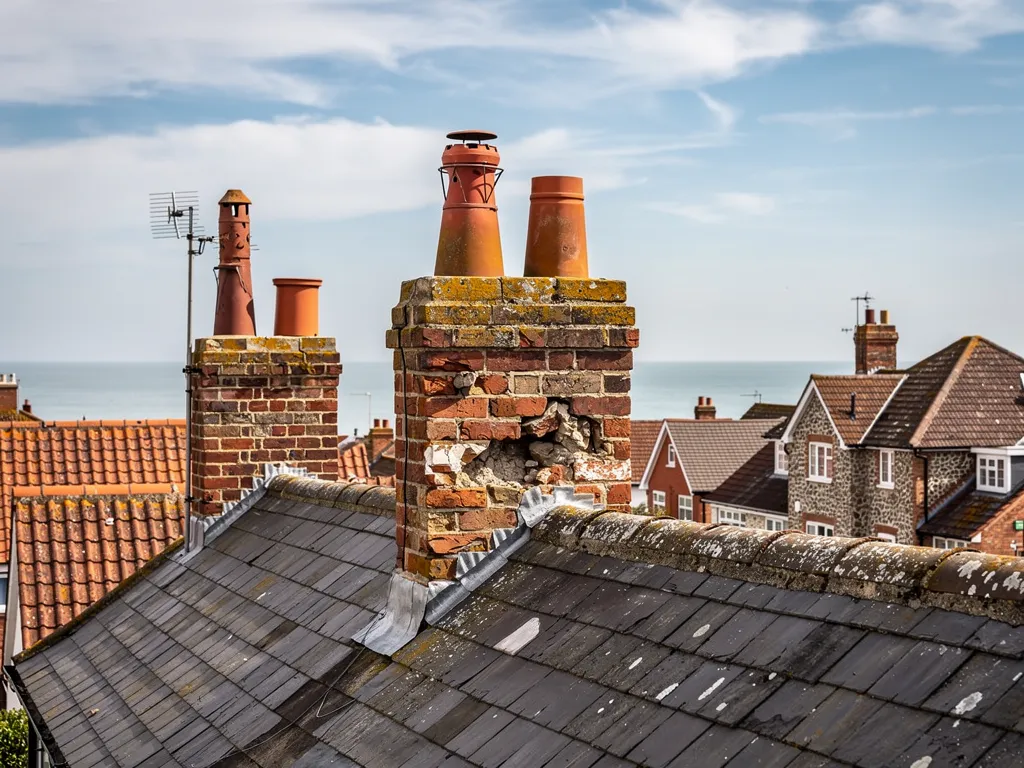
At the top, each pot is bedded in flaunching, the sloped mortar cap that sheds water away from the flue. When it cracks or shrinks back from the pot, rain runs down beside the flue and into the brickwork. Lower down, the face of the stack is bricks and mortar joints. Eroded joints let wind-driven rain into the brick, and soft bricks flake as they take on water and freeze, a failure called spalling. At the base, the stack meets the roof, and lead flashings plus a back gutter carry water round the brickwork onto the slope. Open joints or lifted lead there send water straight into the roof space. The fourth route is the flue itself: rain falling down an open pot, or damp air condensing in a cold, unused flue, shows up as dampness or brown staining on the breast.
1.2 Reading the clues from the loft
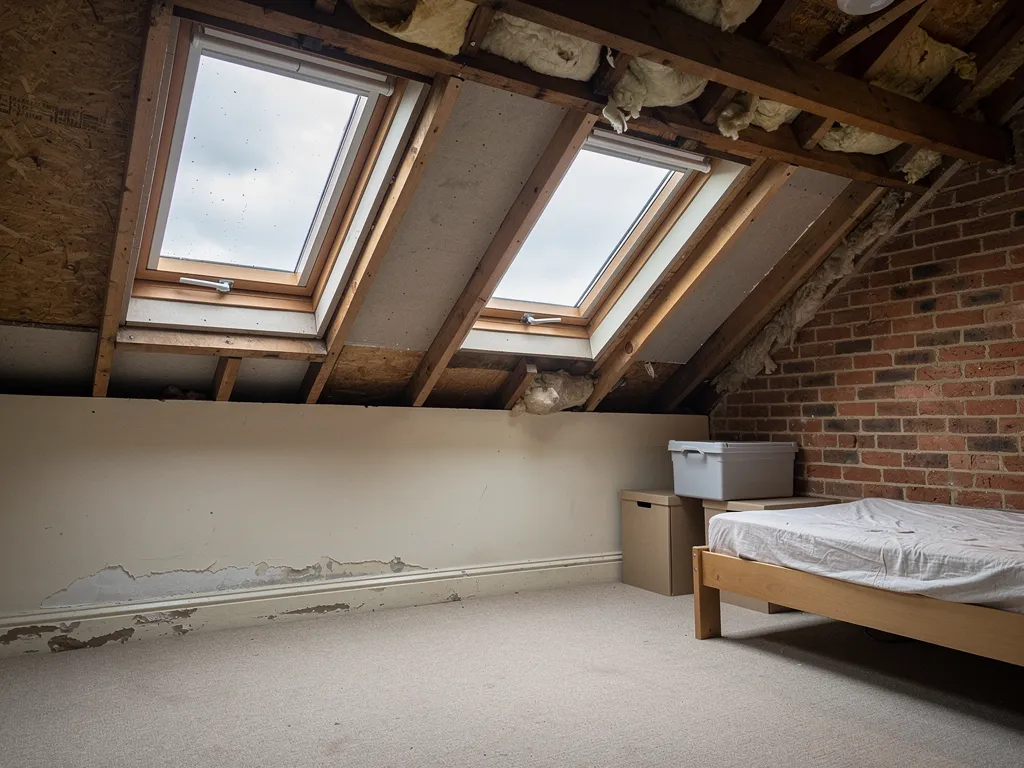
The loft tells us a great deal. Damp that is heaviest on the stack's own brickwork and dries in a warm spell points to pointing or flaunching. A wet timber beside the stack, or a tide mark on the underlay below the flashing, points to the lead or the back gutter. A stain that shows only after strong wind with rain from one side suggests a gap on that face. A stain in cold weather with no rain, or around a fireplace nobody uses, suggests condensation or a flue left open to the sky. We photograph the stack at close range and the loft side before suggesting a fix. Our guide to why a chimney leaks shows how we tell the four routes apart.
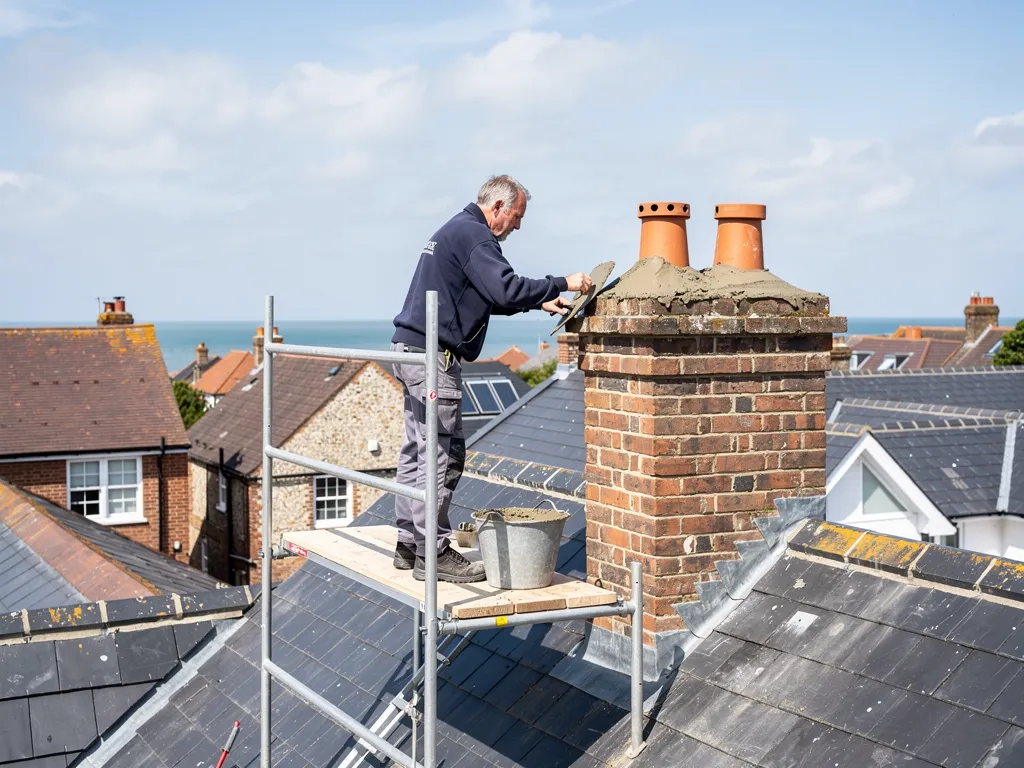
Fig. 1 On the survey Flaunching cracked and pulling away from the pot.
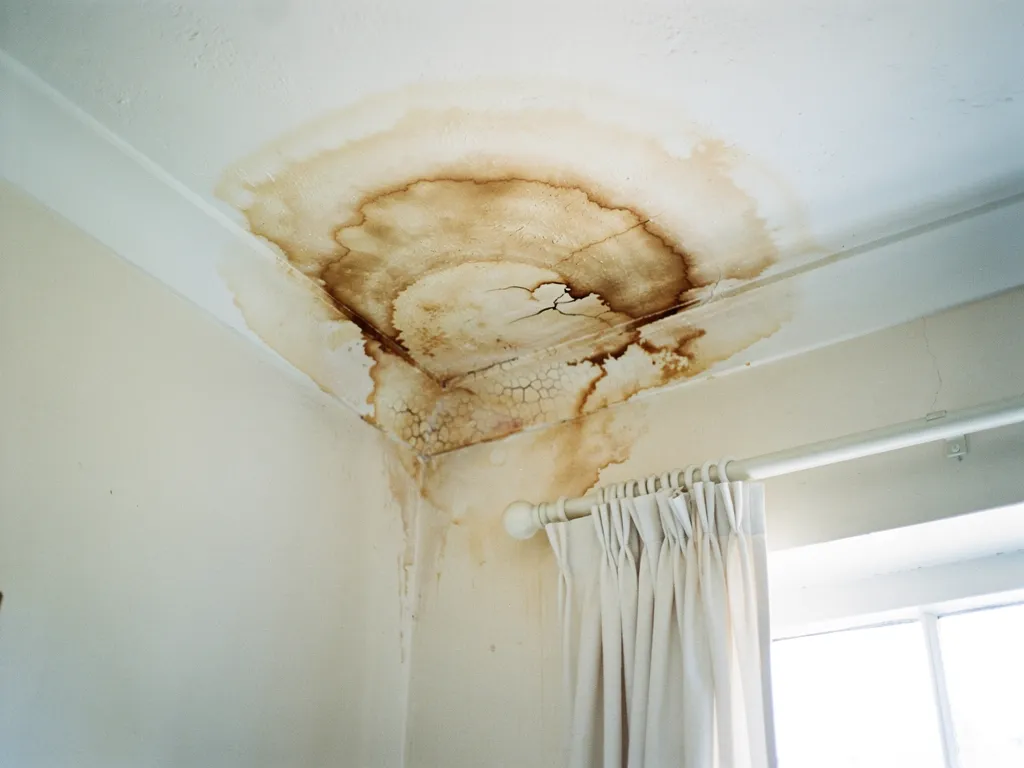
The damp patch is the end of the trail, not the start of it.
A leak that appears only in wind-driven rain is useful evidence. It means one face of the stack, or one side of the flashing, has a gap that stays dry when rain falls straight down. Note which room shows the stain, what the weather was doing and how long after the rain began it appeared. A photo of the stain and those few notes let us bring the right mortar and lead to the first visit, and they save time in the loft.