
Chapter one
Why lead is still used on roofs
Lead bends to the roof's shape, seals awkward joints and outlasts its surroundings, so it is still specified.
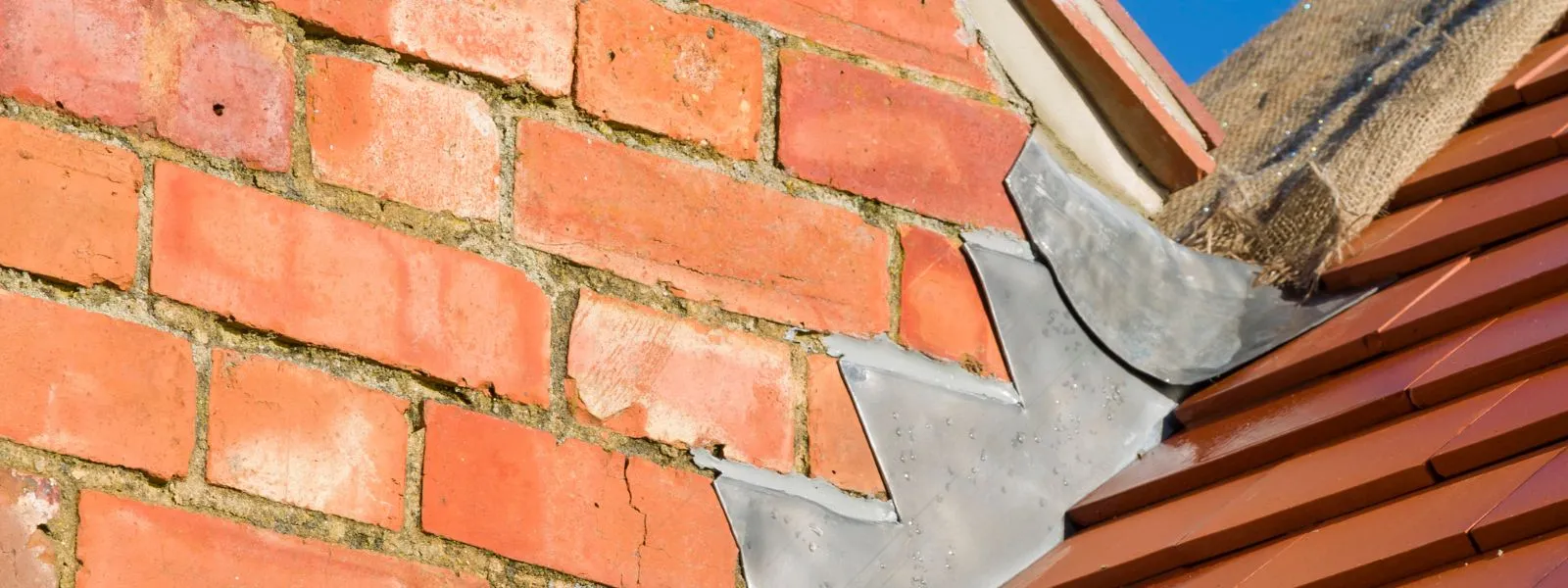
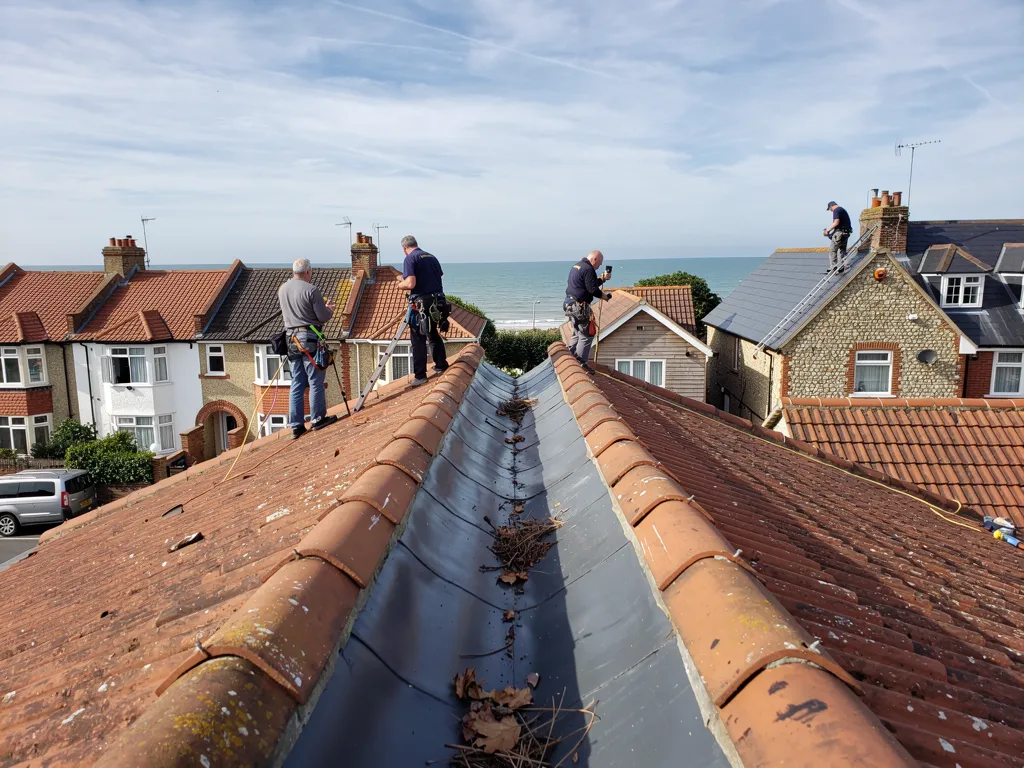
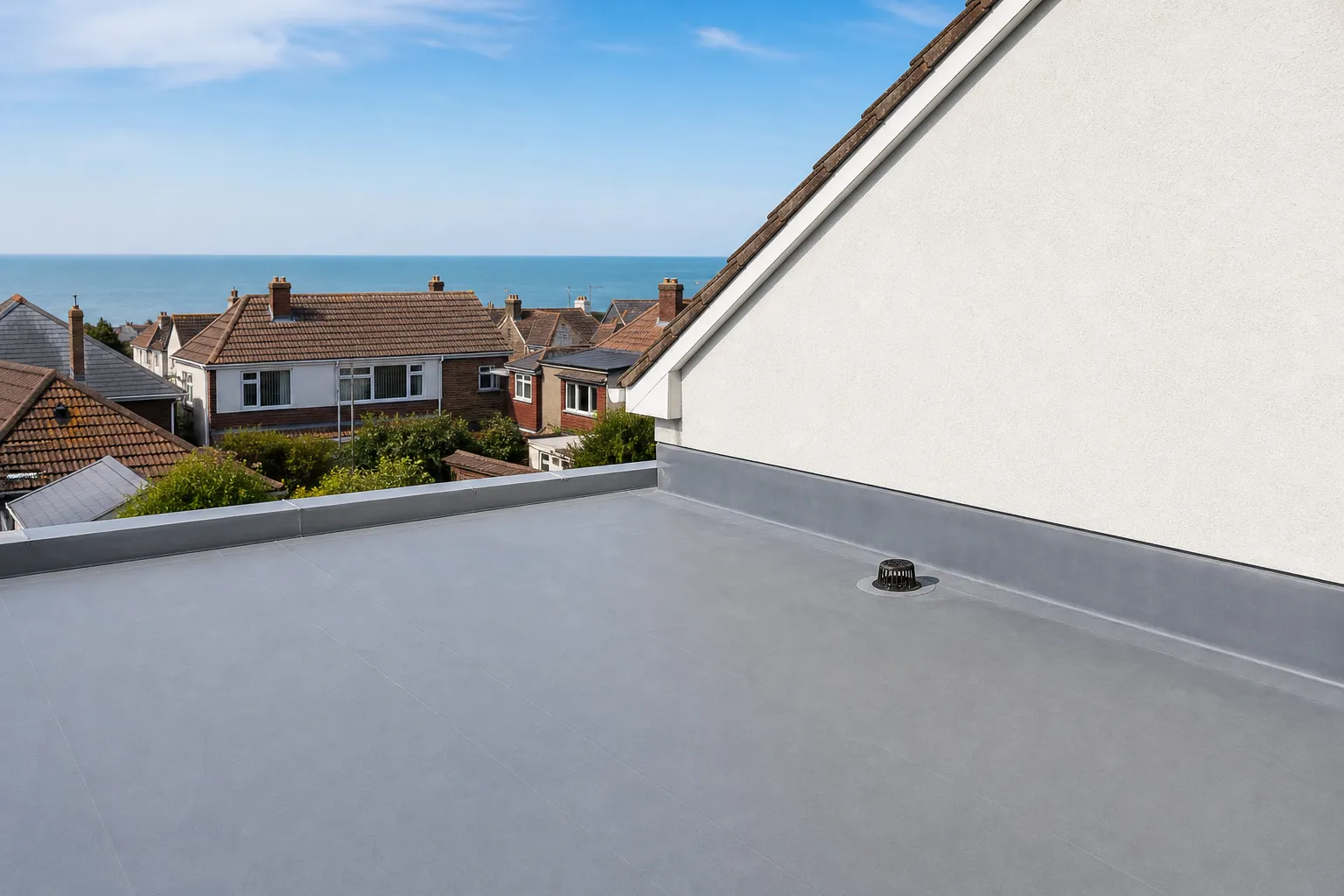
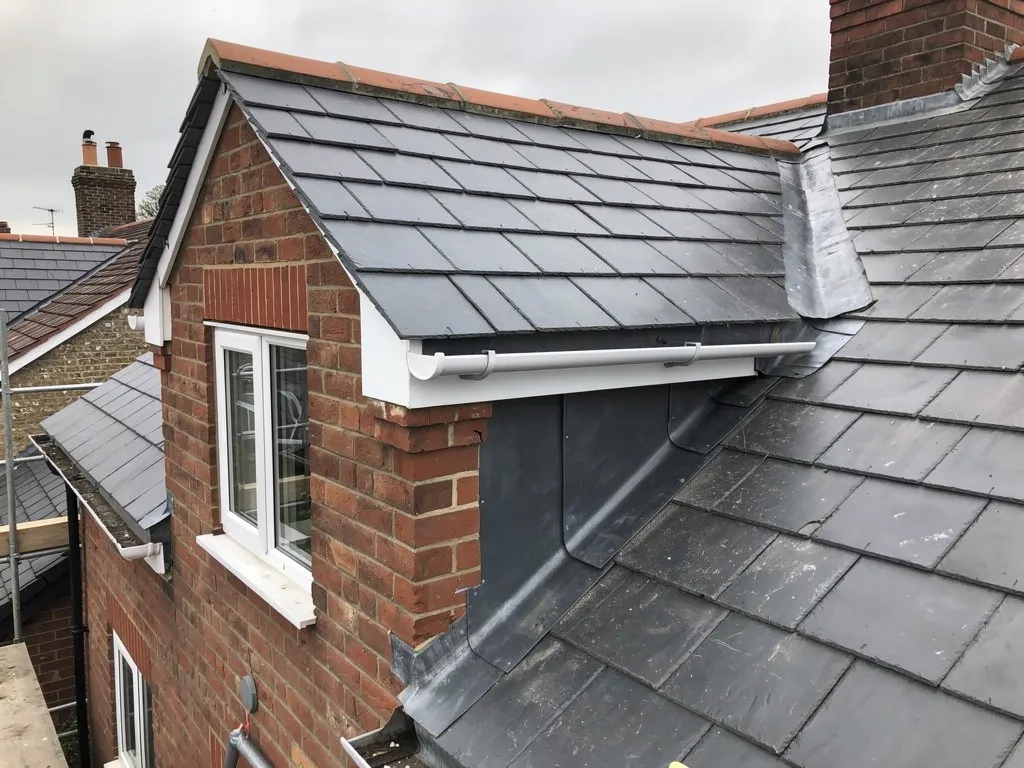
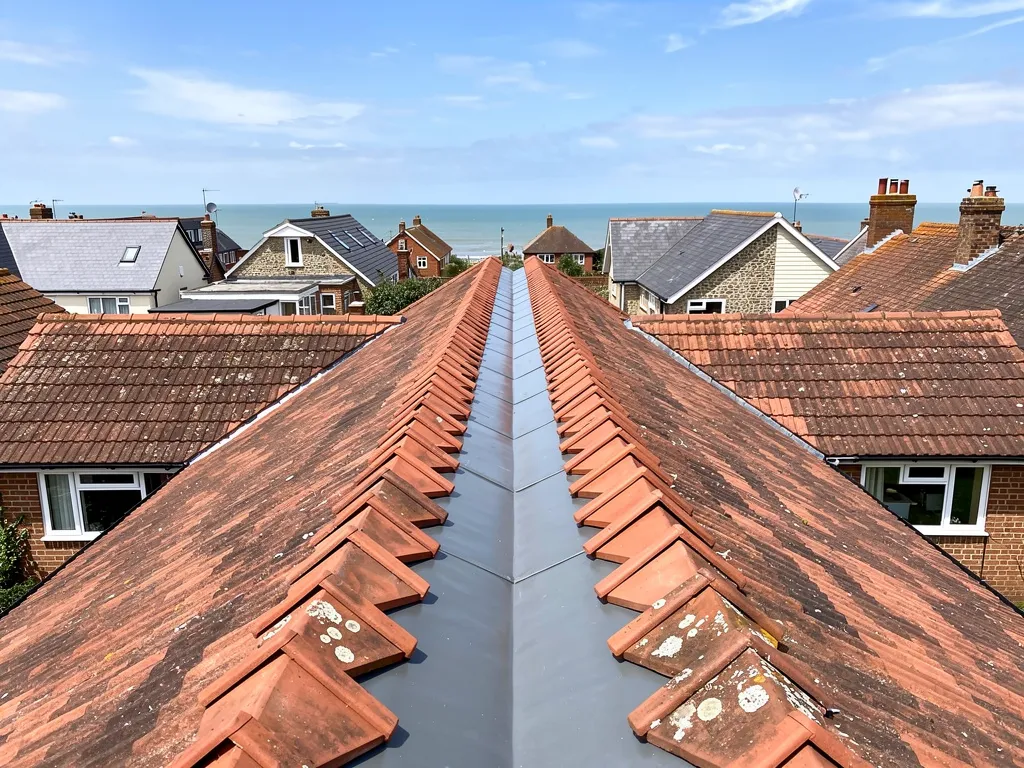
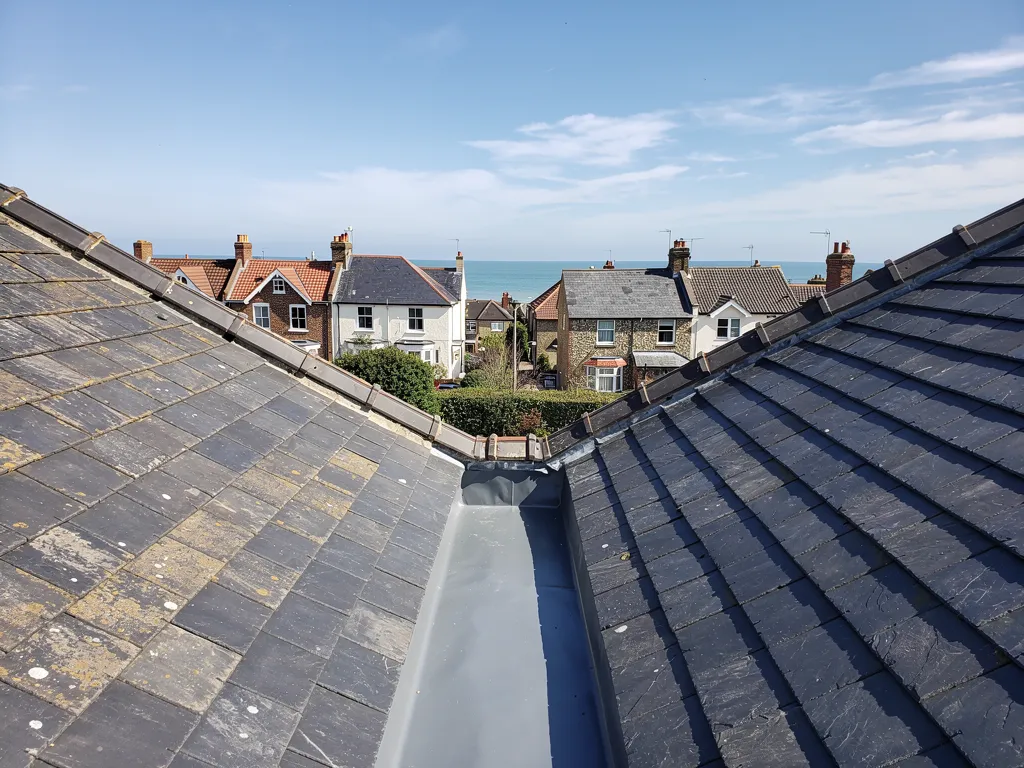
Lead roofing has been used on British buildings for centuries, and it is still the usual answer wherever a roof meets something awkward: a brick wall, a chimney stack, a dormer cheek, the valley between two slopes. A tile cannot bend round a corner. Sheet lead can. It is soft enough to be dressed by hand into the shape of the brickwork, heavy enough to stay put in a gale, and it does not rot or rust. On a Worthing lead roof, where the sea weather comes off the Channel for much of the year, that mix of qualities is hard to replace.
At a glance
- Lead flashing can last over 80 years
- Code 4 is the usual weight for flashings
- Sheet lead is made to BS EN 12588
Lead flashing is often the longest-lived part of the roof.
It is long-lived too. MyJobQuote reports lead flashing lasting over 80 years, and over 100 years for the higher codes, while Less puts a lead flat roof at 50 to 100 years. Those are typical ranges, not promises. They depend on exposure, how the lead was cut and fixed, and whether anyone looks at it from time to time. Even so, lead flashing is often the longest-lived part of a roof, which is why the slate or tile beside it is so often the first thing to need attention.
1.1 Codes, weights and what they mean
Lead arrives in codes, and each number is a thickness. Leadworx names Code 4, at 1.80 mm, as the usual pick for general flashings, with Code 3 recommended for soakers only, Code 5 for general, vertical and pitched work and Code 6 for large roofs. The sheet is made to BS EN 12588. Thickness is only part of it. The length of each piece, the fixings and the dressing decide whether the lead moves freely or tears itself apart. Our guide to lead sheet codes sets out every code from 3 to 8.
1.2 Lead on the Worthing coast
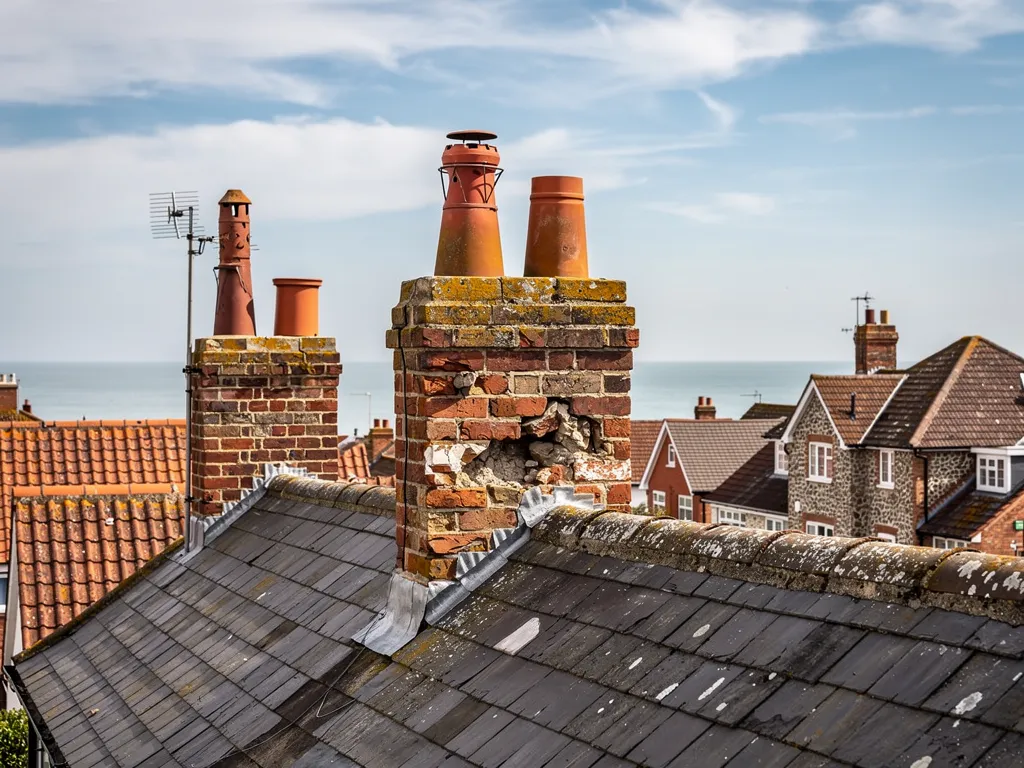
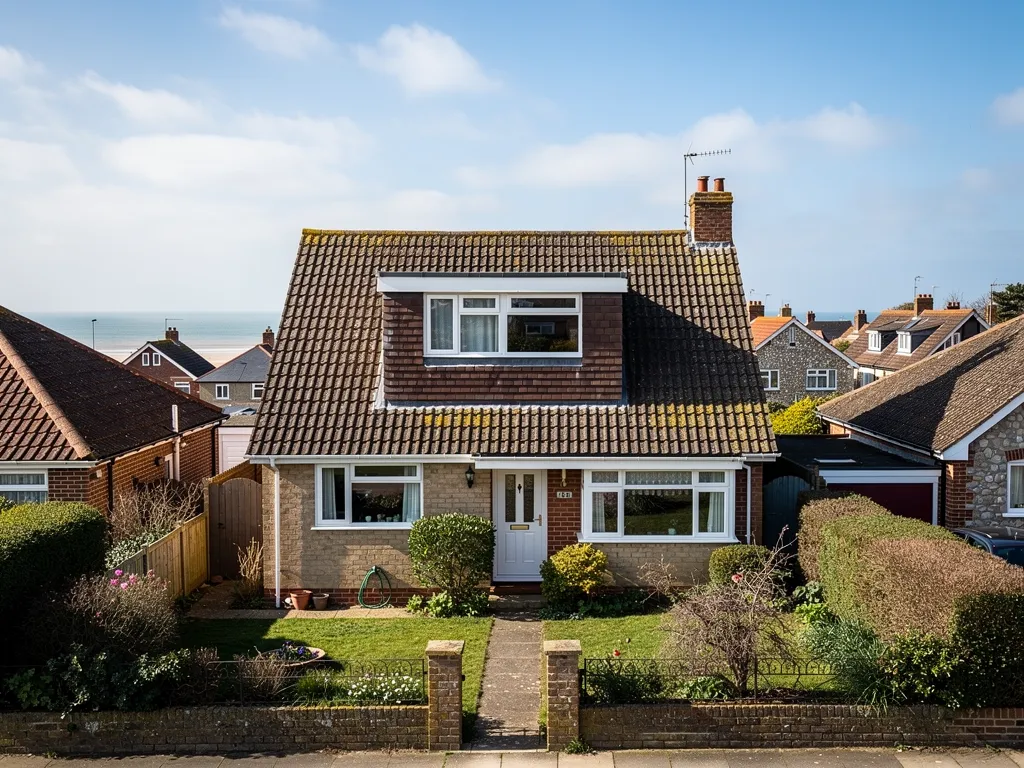
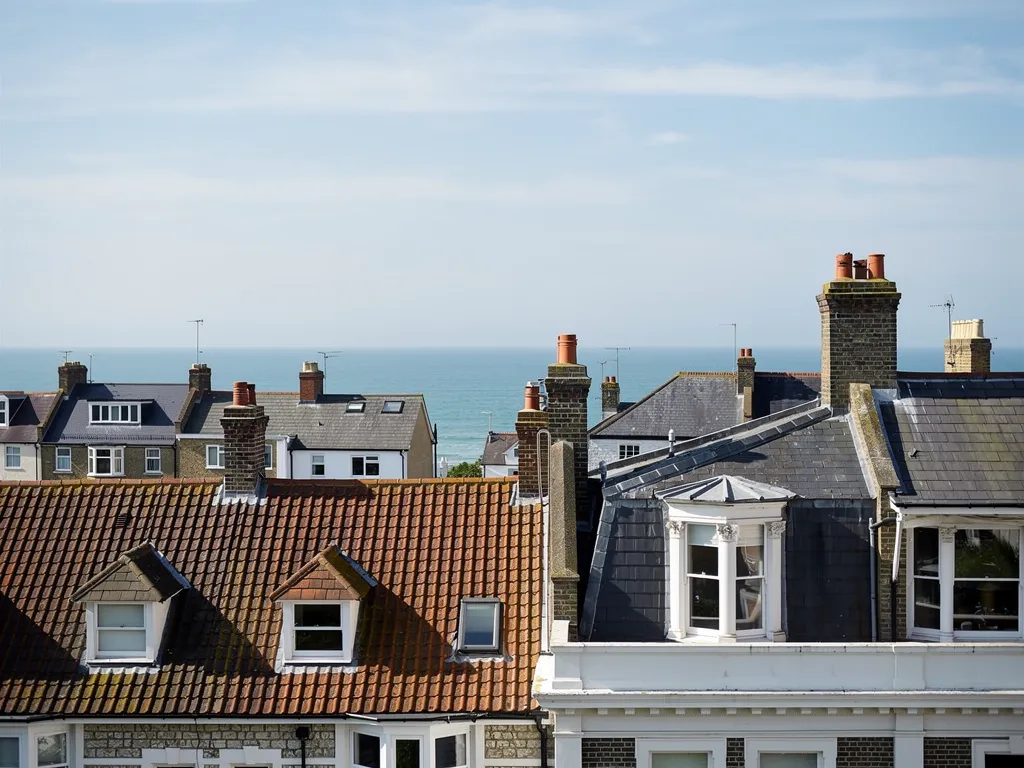
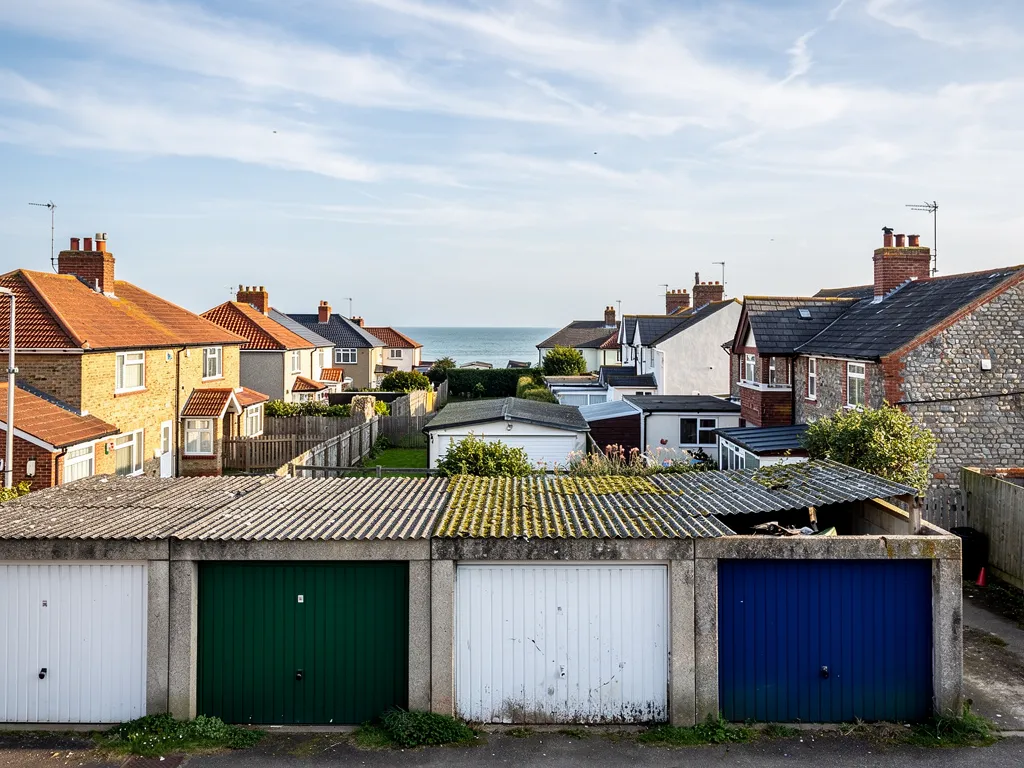
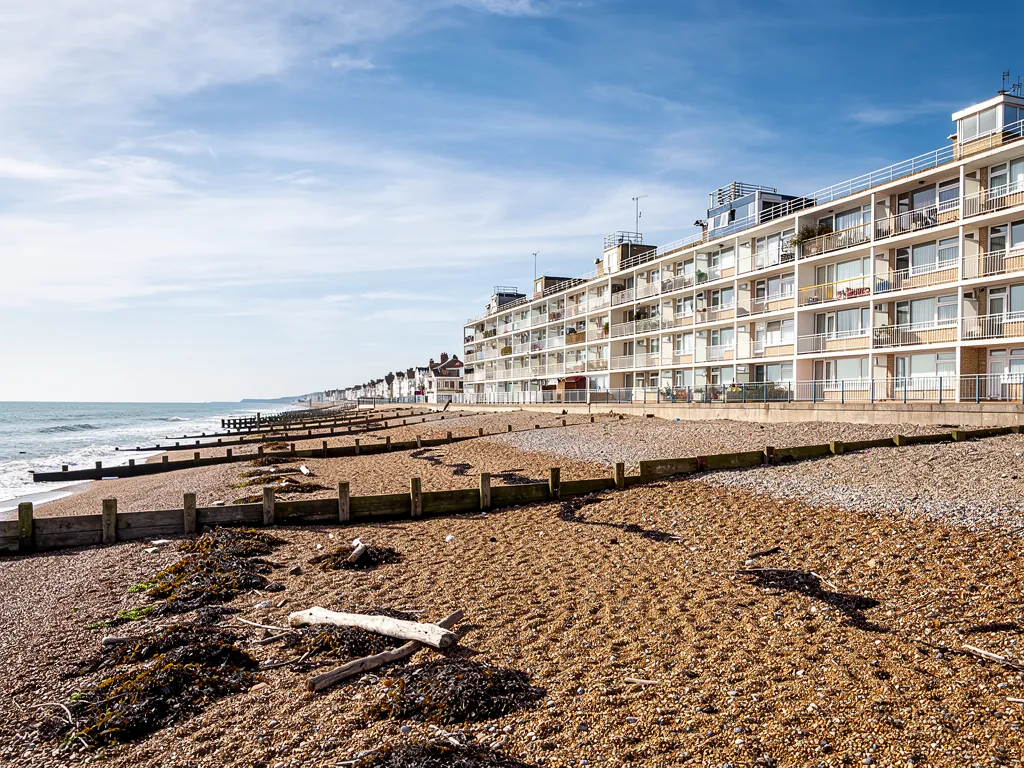
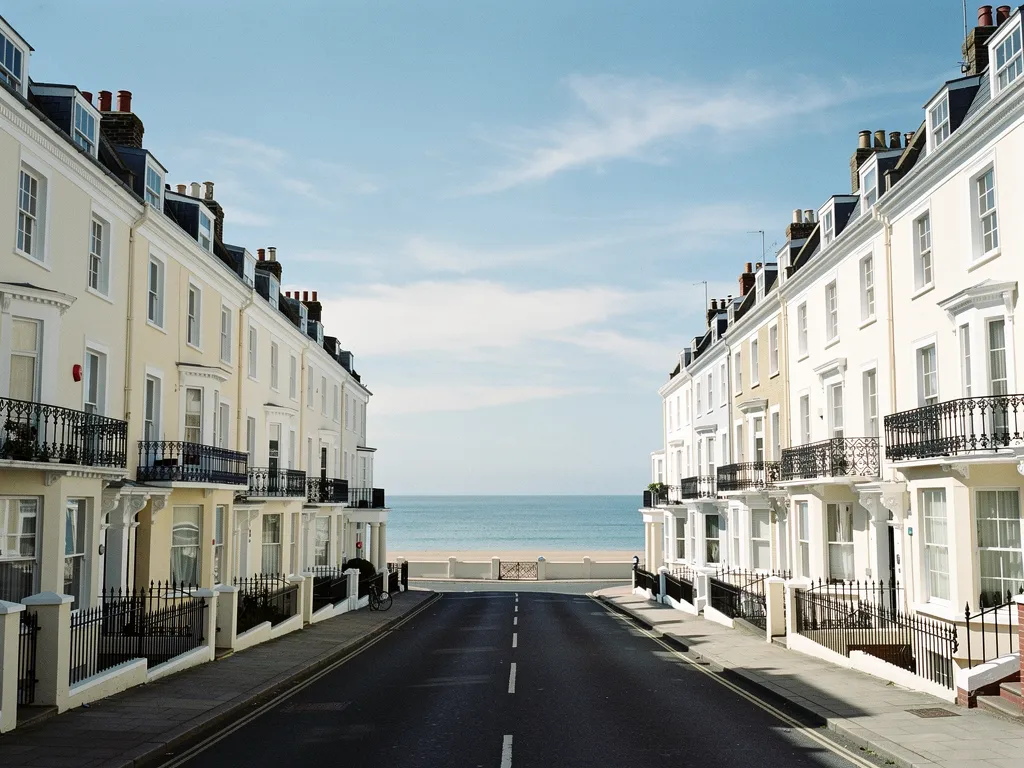
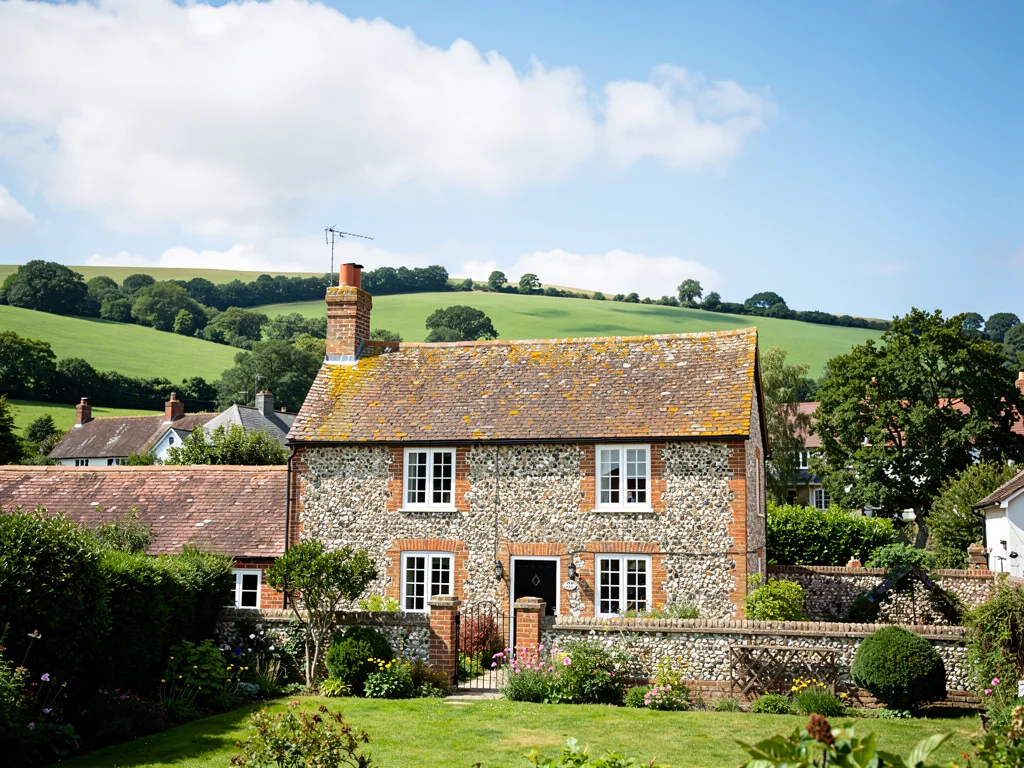
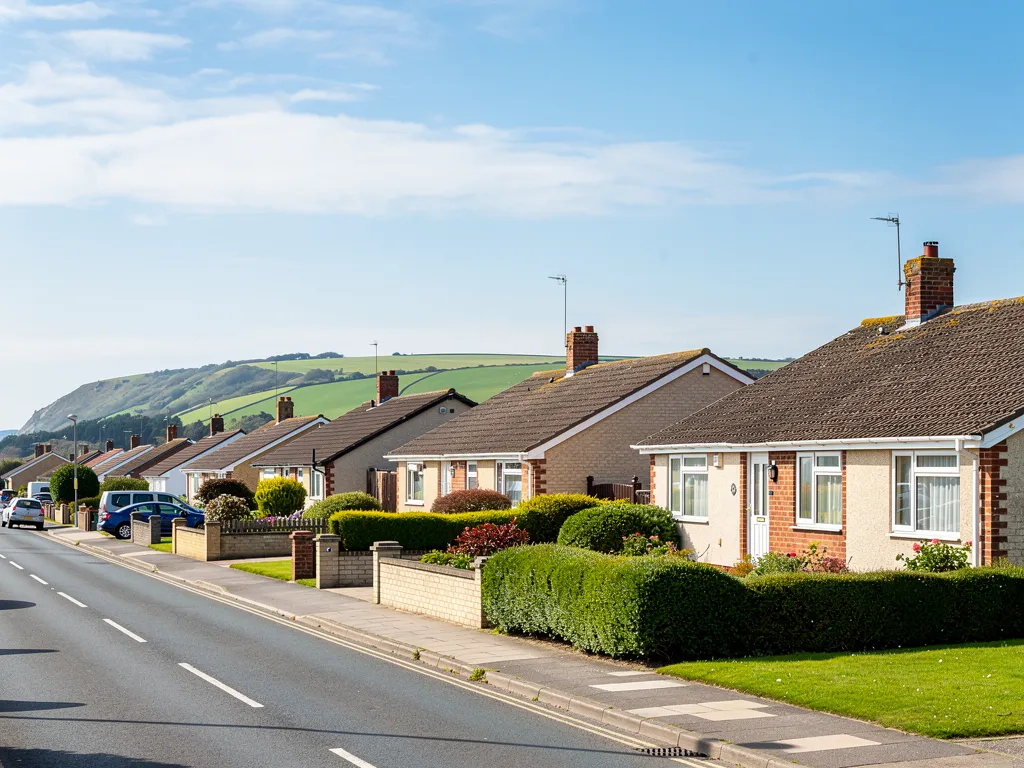
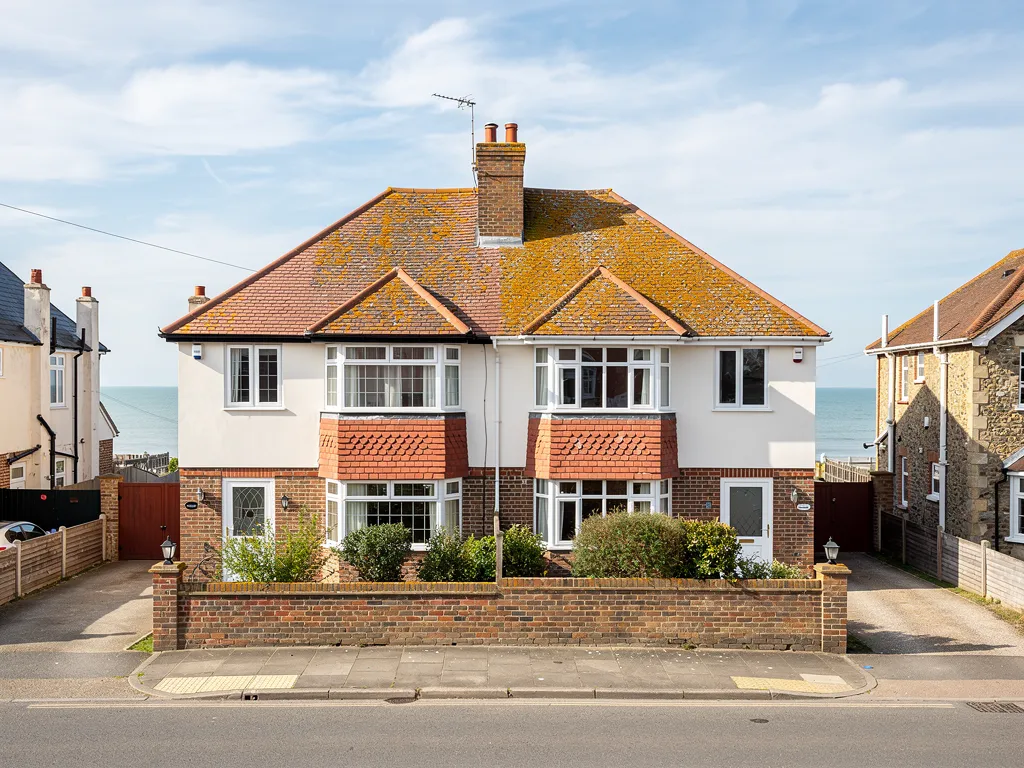
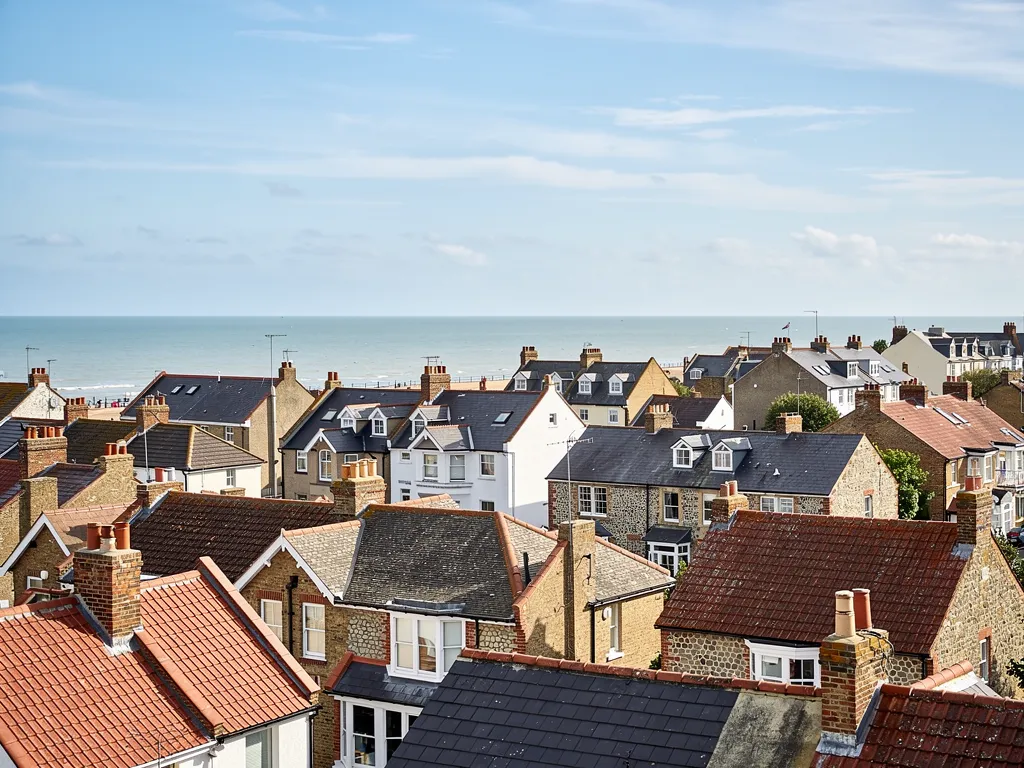
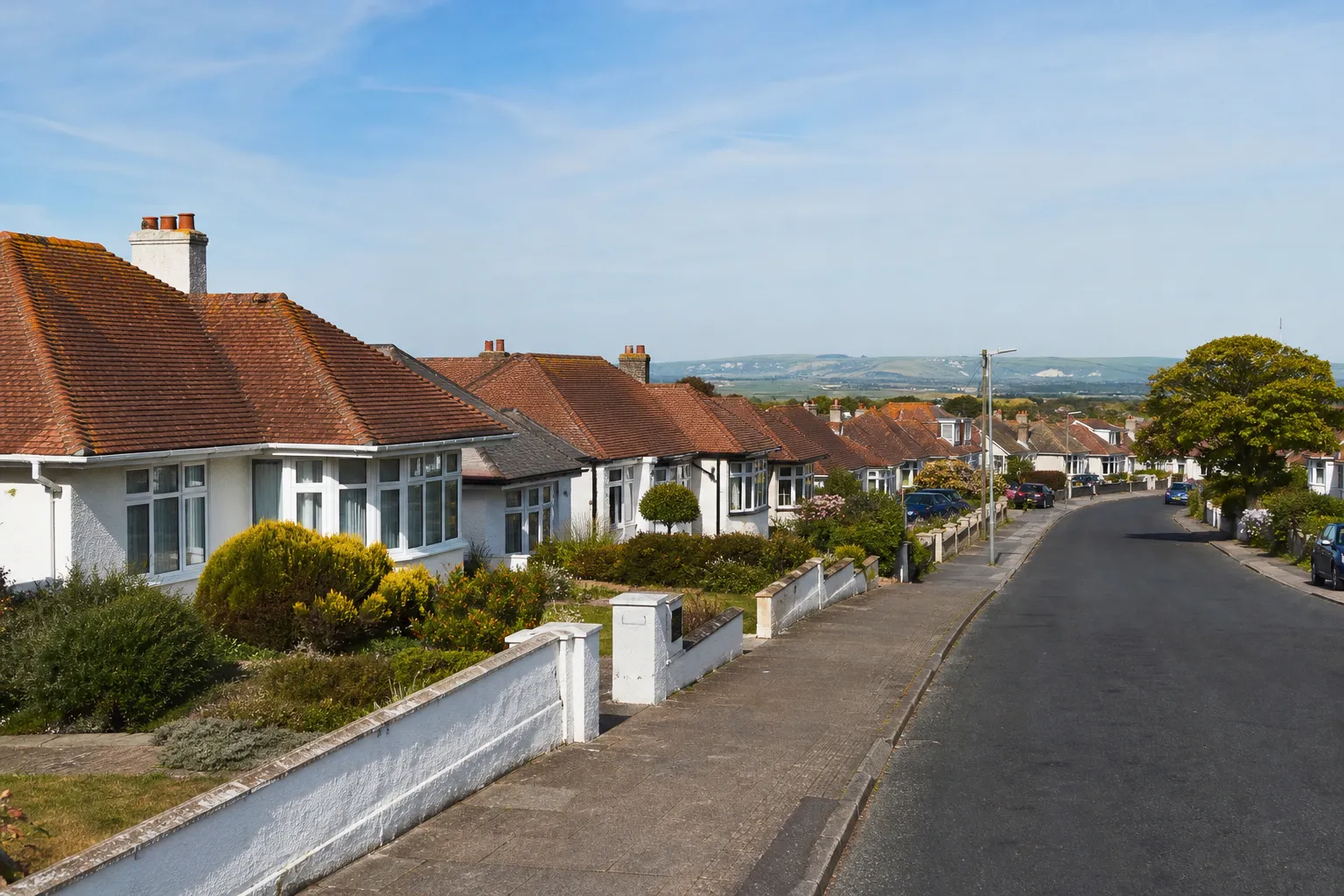
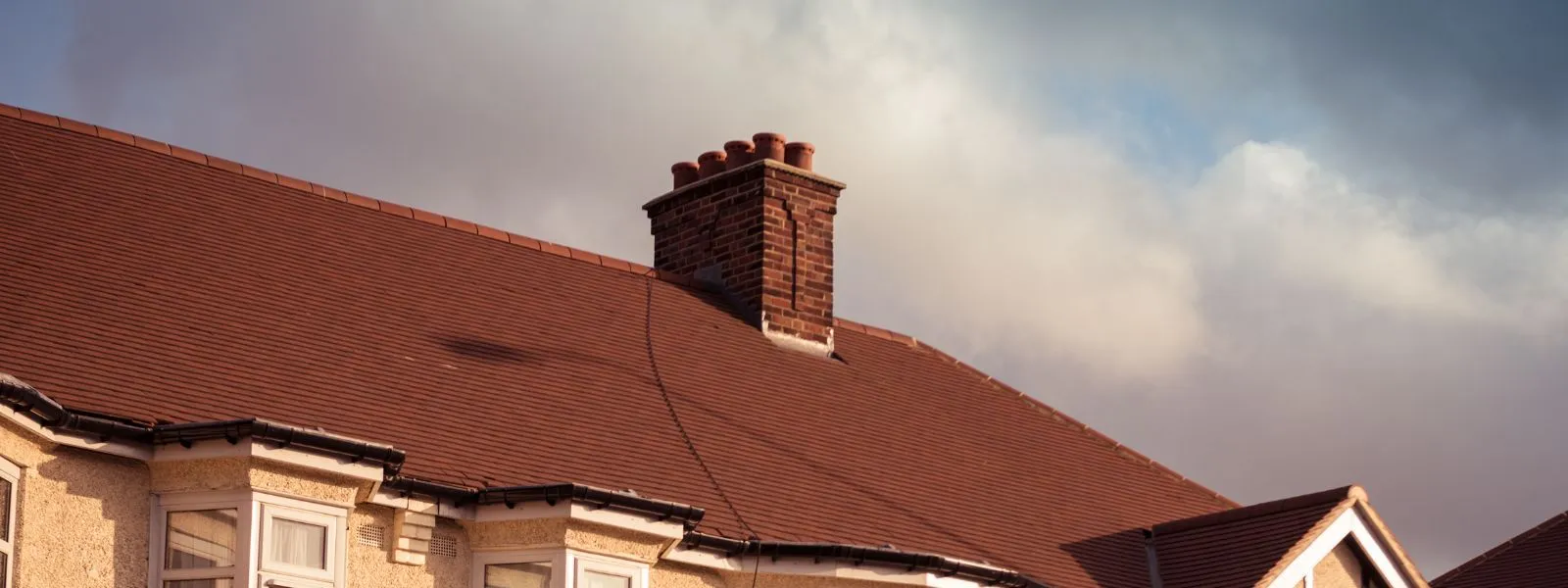
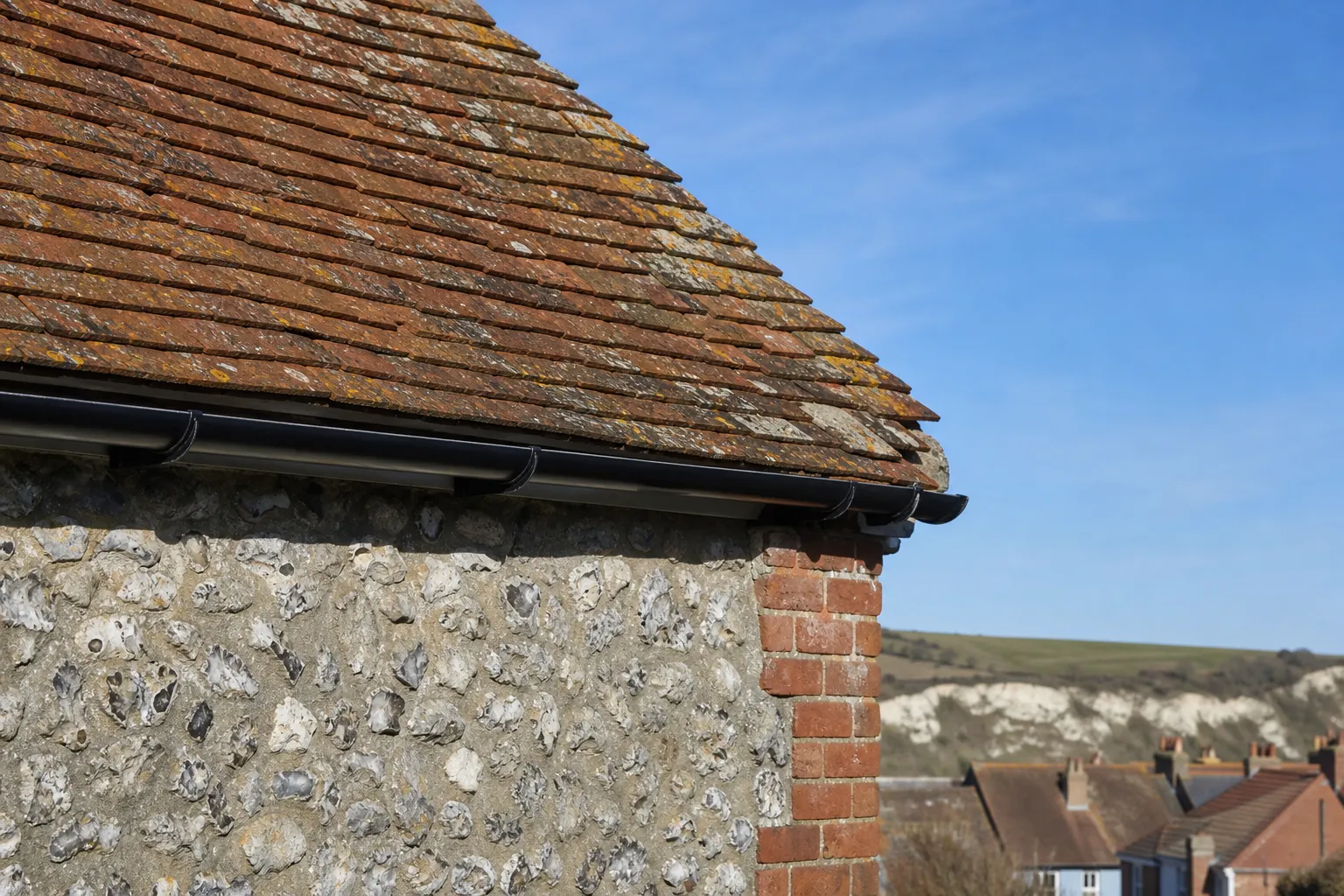
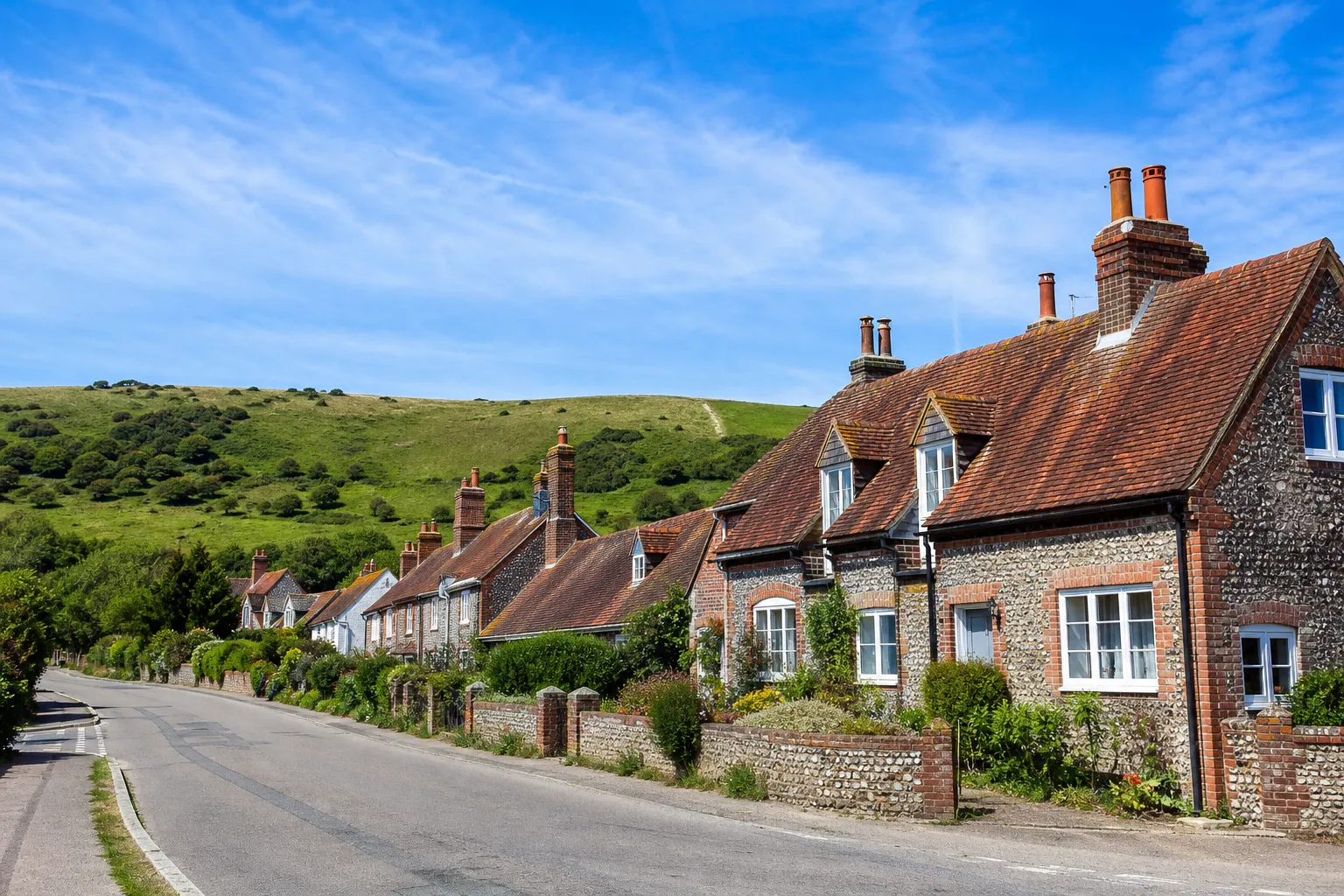
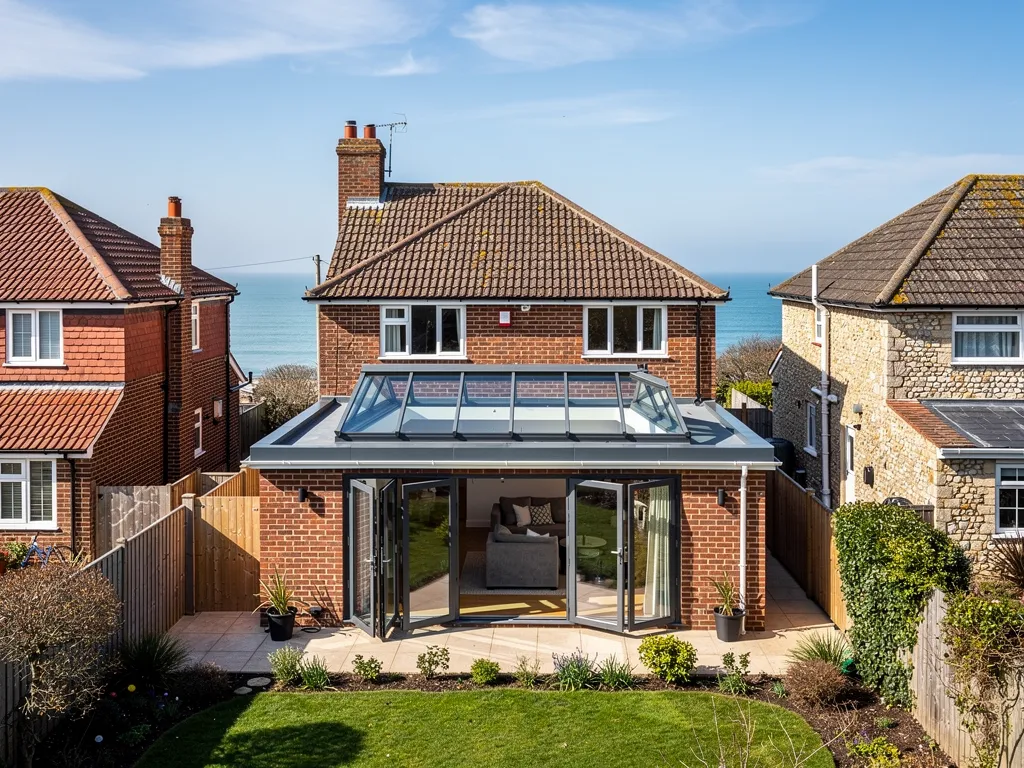
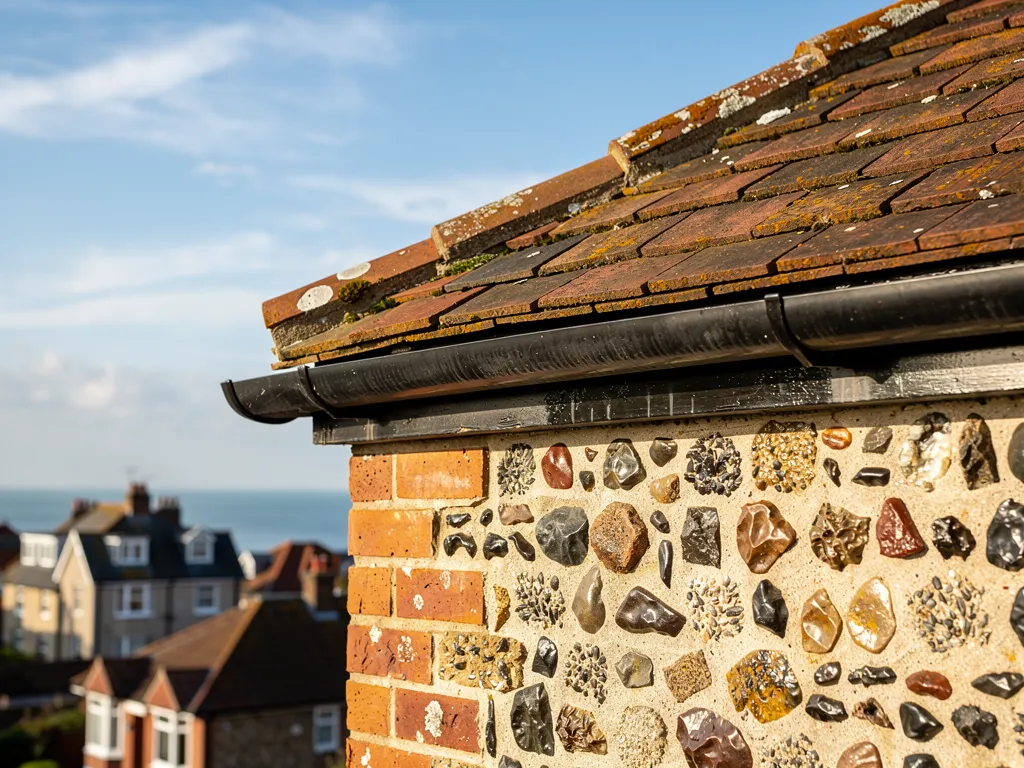
The housing here gives lead plenty to do. Victorian and Edwardian terraces and villas near the seafront have tall chimney stacks, bay windows and slate slopes that all need lead where they meet. The 1930s semis in Goring and Durrington carry lead over bays and porches, and post-war bungalows have flat-roofed extensions where lead is one option. Along the Adur, houses of flint and brick meet their roofs at chimneys and gables, and those junctions are where lead earns its place. Any lead project in Worthing, whether installation or repair, therefore starts with a look at what the existing lead is doing and what it sits on.
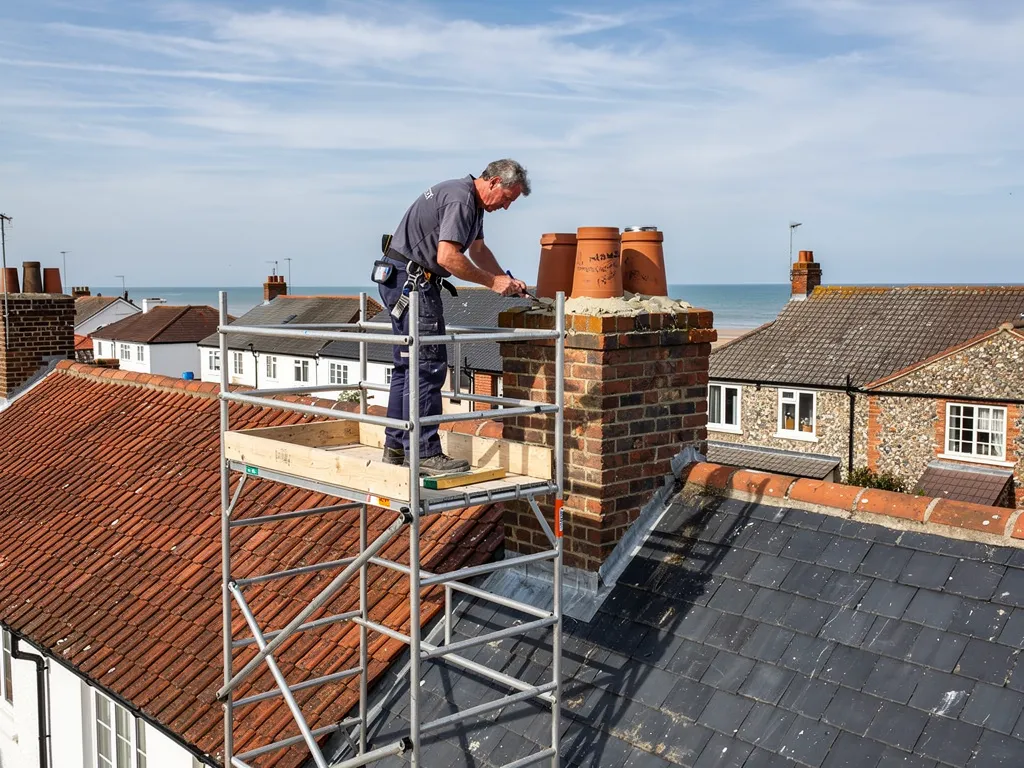
High quality lead is only half of it, because the work is done by hand on site. Good Worthing leadwork is cut to a sensible size, fixed so it can move and pointed in properly. Poor work looks identical on the day it is finished and fails within a few winters. An experienced roofing Worthing firm can tell you why each piece is cut to its length; ask, and listen to the answer.
Lead sheet codes in brief
- Code 3
- 1.32 mm, soakers only
- Code 4
- 1.80 mm, the standard flashing choice
- Code 5
- 2.24 mm, general, vertical and pitched work
- Code 6
- 2.65 mm, large roofs
- Standard
- Sheet lead is made to BS EN 12588
Source: Leadworx, Lead Sheet Codes Explained; Royston Lead cast lead brochure; fetched October 2026