

Slate roofing in Worthing

Natural slate roofs across Worthing and West Sussex, installed, re-slated and repaired. We trace each slipped slate, leak or failed flashing to its cause and fix it so it holds against Channel gales.

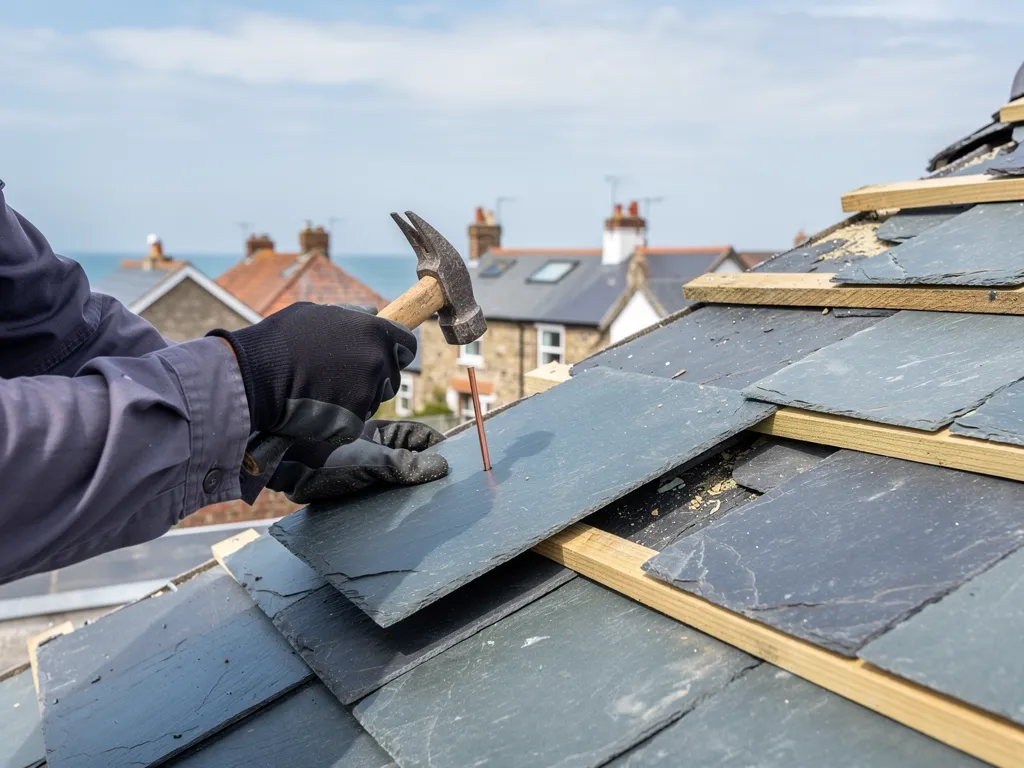
Gloved hands nailing a natural slate into place on a roof
  • Leaks traced
    to the source
  • Photos of
    your own roof
  • Written quote,
    one total price
  • 10-year workmanship
    guarantee, in writing

Slate roof work we carry out

  • New slate roof installation

    A full strip and re-cover in high quality slate on new battens and underlay, with lead work, ridges and verges fixed to current British Standards for a coastal site.

  • Slate roof repairs

    Slipped, cracked and missing slates replaced, tingles fitted where nails have failed, and the cause of each fault found before anything is priced.

  • Re-slating and restoration

    Sound slates lifted, sorted and relaid on fresh battens and underlay, with matching slates added to make up the shortfall on a period roof.

  • Lead work and valleys

    Flashings, soakers, back gutters and valley linings renewed in lead cut to the right code, so the joints around a slate roof stay sealed.

  • Ridges, hips and verges

    Ridge and hip tiles and verge edges fixed mechanically, by bedding or dry-fix system, so a gale cannot lift them from a slate slope.

  • Chimneys, bays and extensions

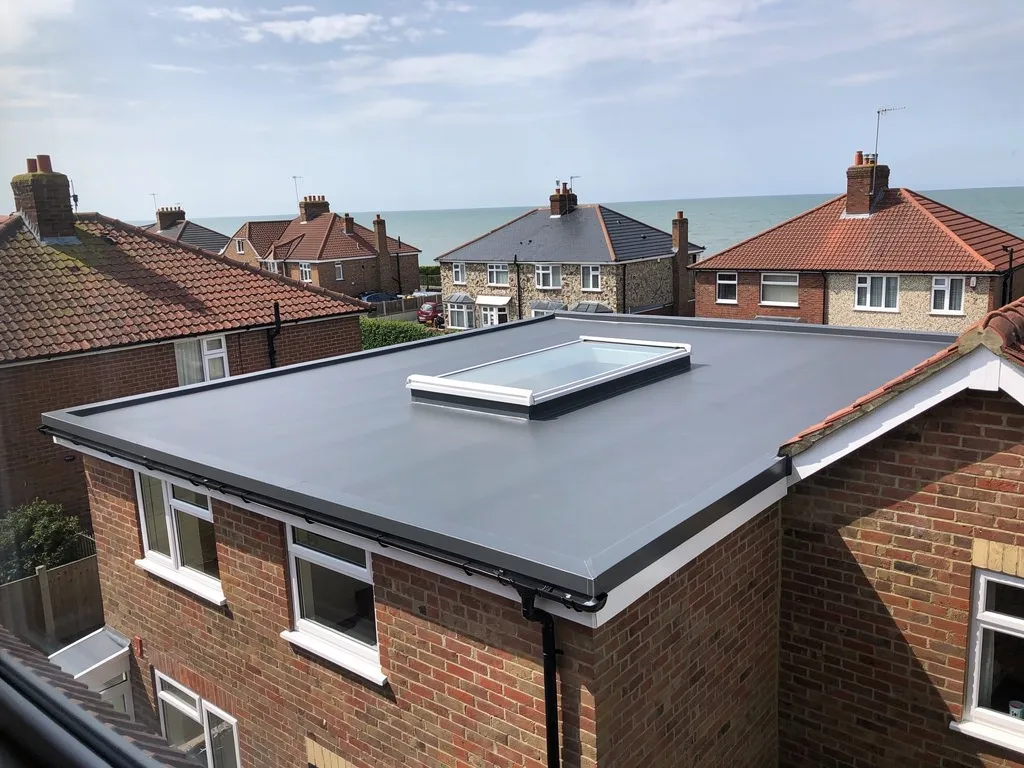
    Flashings and flaunching round chimney stacks, and the junctions where an extension in EPDM or GRP meets the slate slope, made good as one job.

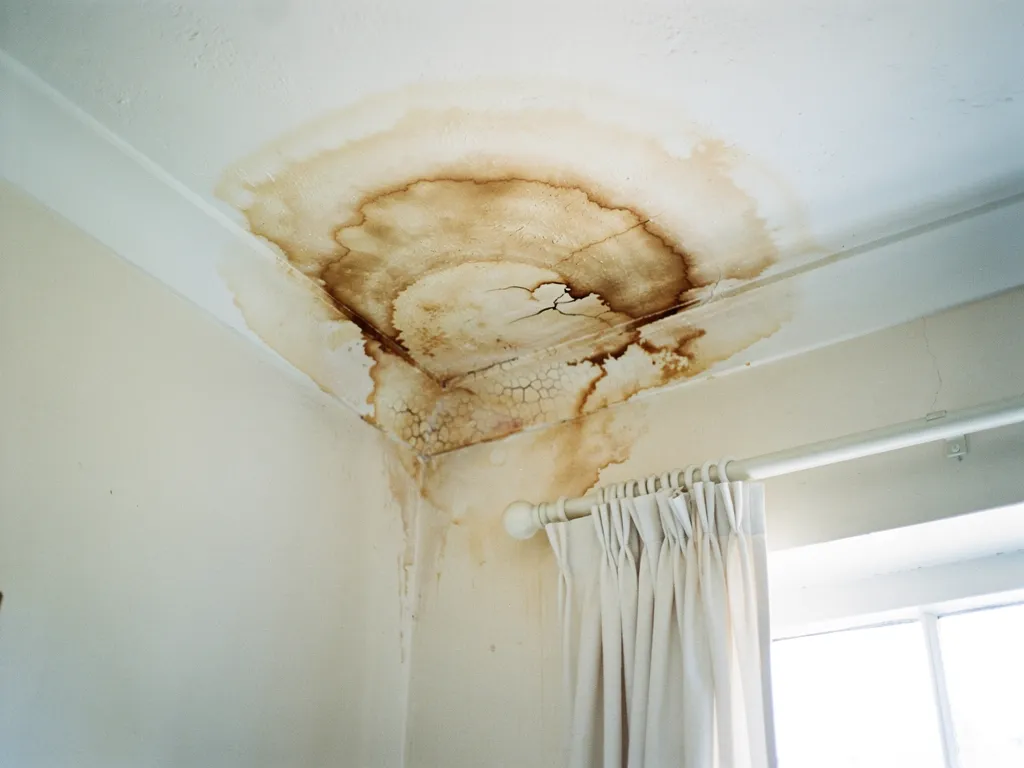
Brown water stain spreading across a white bedroom ceiling near the window

Signs a slate roof needs attention

  • Slates slipped or lying in the garden
  • Gaps showing in the rows of slate
  • Flaking, layered or crumbling slates
  • Damp patches after driving rain
  • Daylight visible through the loft

Typical UK costs for slate roofing

Typical UK price ranges
JobUK range
New natural slate roof, per m²£100 to £180 per m²
Repairing natural slate, per m²£150 to £220 per m²
Re-bedding or replacing ridge tiles£300 to £600
Cleaning a slate roof£500 to £1,000

These are national guide figures, and the repair rate excludes VAT. The price for your roof is one written total that follows the survey and the cause we find. Source: MyBuilder slate roof cost and roof cleaning guides, updated 21/08/2026; Checkatrade roof repair cost guide, table last updated June 2026.

The path of a slate roof job, first message to final slate

  1. Send the detailsCall 01903 299063 or WhatsApp a photo of the slipped slates or the stain, with the date and the weather when it showed.
  2. Survey visitOur roofing survey starts with a site visit: we check the loft and the slopes, and photograph rusted nails, cracked slates and lifted flashings so you can judge the fault yourself.
  3. Written quoteAlongside the photographs you receive a quote in writing, priced as one total, with no obligation. It recommends the smallest job that properly fixes the fault.
  4. Work completedWe carry out the agreed work, check every finished slope, then leave the site tidy and remove the waste. Photographs of the finished slopes follow with the paperwork, and any guarantee you are offered should be in writing.

The slate roof guide

Slate roofing in Worthing, from nail to ridge

What slate is and how long it lasts, why slate roofs leak, when to repair or re-slate, how it is fixed against the sea, which rules apply and what it costs.

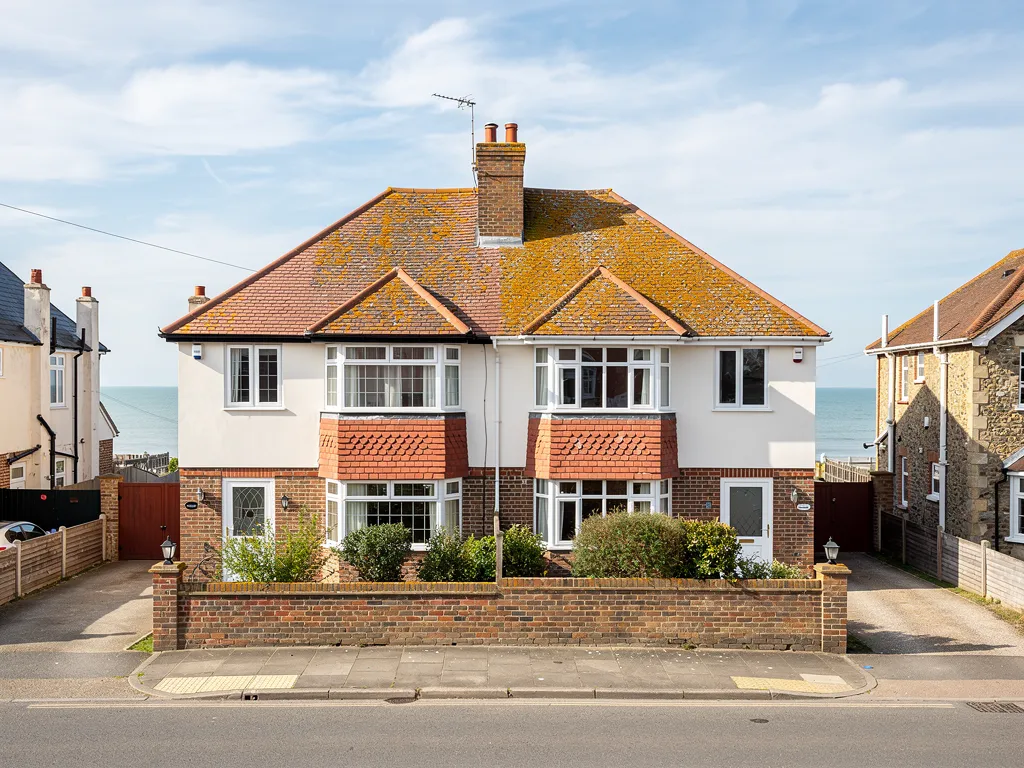
Pair of 1930s semis in Durrington with weathered clay tile roofs

Chapter one

What natural slate offers a Worthing roof

A split stone that sheds water and ignores frost, slate outlives most coverings when fixed properly.

Slate is a fine-grained rock that splits into thin, flat sheets. Quarried, trimmed and holed, those sheets are hung in overlapping rows, and it is the overlap, not a coating or a sealant, that keeps the rain out. The stone does not rot or soften and needs no painting, which explains why slate roofing became the standard roofing material for good houses of the Victorian and Edwardian years. A slate roofing system is more than slates, though. Battens, underlay, nails or hooks, lead at the joints and the ridge all have to last as long as the stone if the roof is to reach its full age.

At a glance

  • Slate is split rock, not a manufactured tile
  • Guides put natural slate at 80 to 100 years or more
  • Fixings and upkeep decide whether it gets there

A slate roof usually outlives the nails that hold it up.
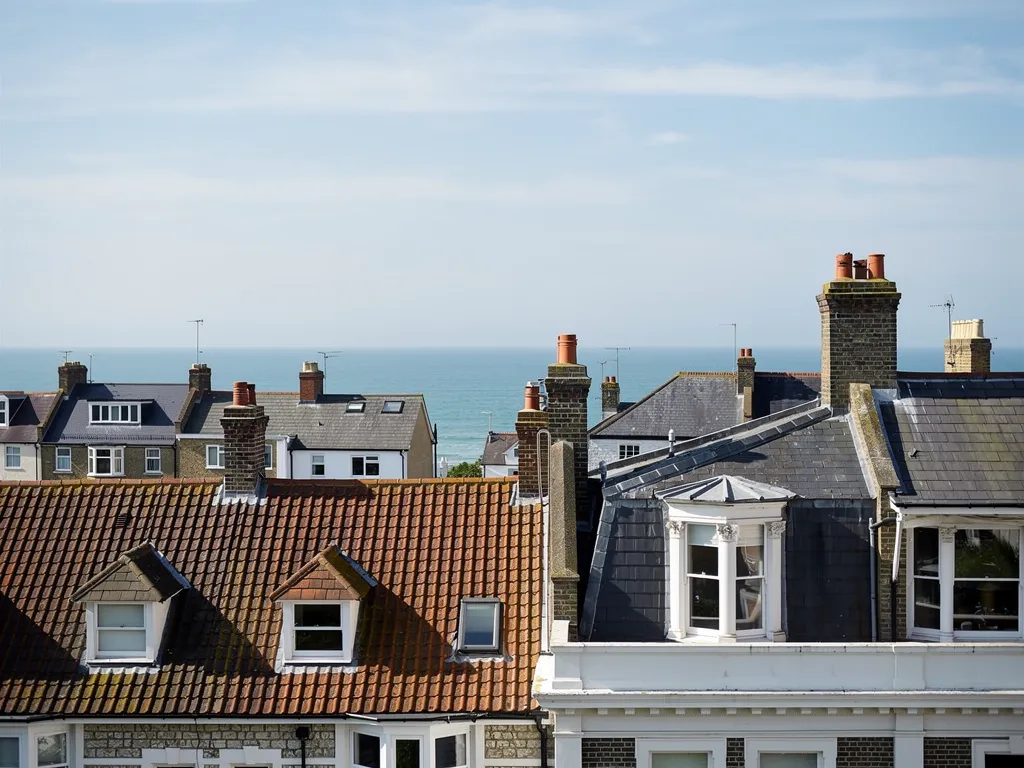
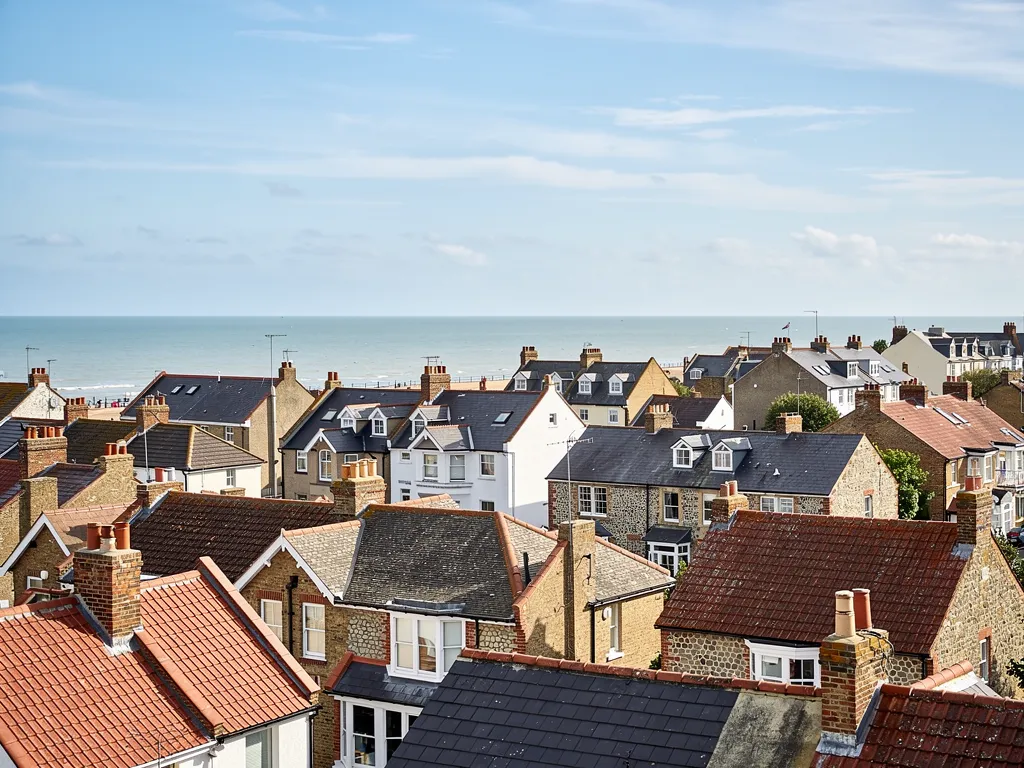
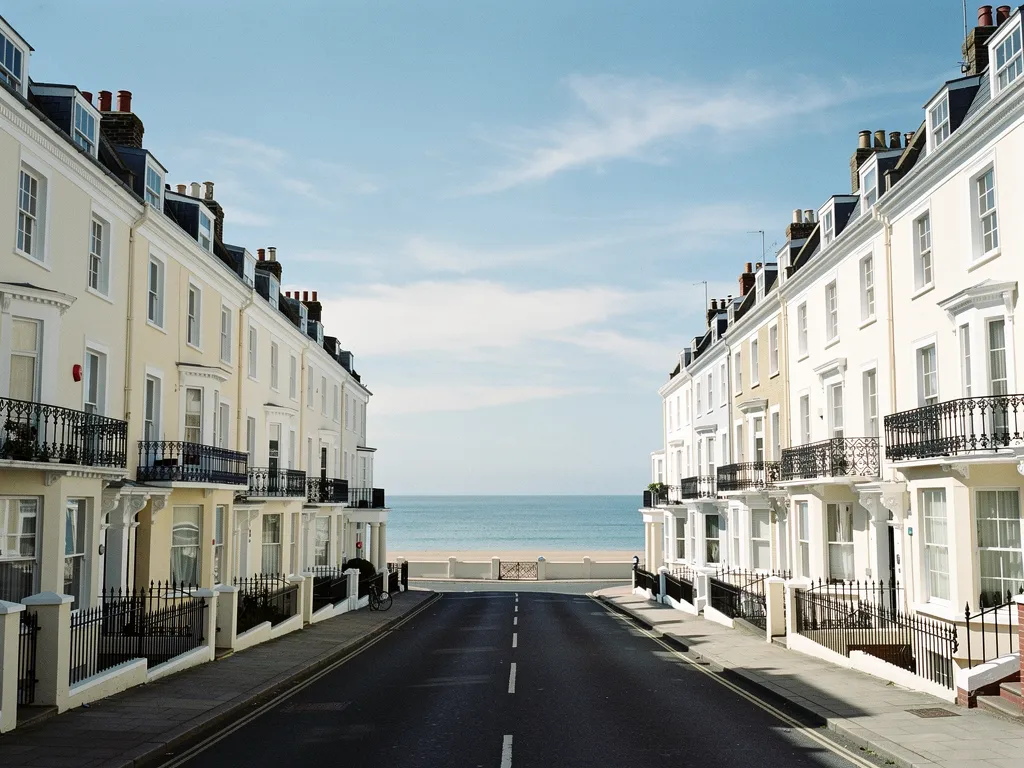
Regency rooftops of slate and lead with the sea beyond

Around the Worthing seafront and across Hove and Brighton, slate covers many of the terraces and villas built in those years, usually with tall chimney stacks and lead round the bays. Along the Adur, the council's Old Shoreham appraisal lists tile and thatch as the commonest coverings, with some slate and Horsham slab roofing too. Horsham slab is a different stone with its own rules, covered on our Horsham stone roofing page.

1.1 How long a slate roof lasts

Published figures differ. MyBuilder says a well-installed slate roof will last 80 to 100 years or more, with Welsh slate regularly passing a century. Checkatrade allows a wider 50 to 200 years and says most easily last over 100. They are typical ranges, never promises. Exposure, workmanship and upkeep place each roof within them, and the slates often outlive the nails, battens and underlay behind them, so an old Worthing slate roof usually needs re-slating rather than new slate.

Regency rooftops of slate and lead with the sea beyond

1.2 Welsh, Spanish and man-made slate

Welsh slate is the traditional choice on older British houses and the natural match for a roof that already has it. Spanish slate is imported, widely used on new work, and credited by MyBuilder with 75 to 100 years. Man-made slates are manufactured, so their appearance and life depend on the product, and we go through the maker's data before suggesting one. Our guide compares Welsh and Spanish slate. Merchants sometimes sell roof slate as slate tiles; for a roof, ask about the quarry and the grade, which set the quality. Felt shingles, which suit sheds, are not a roofing solution for a house.

1.3 Looks, upkeep and property value

Slate offers a flat, even, fine-textured finish that suits period houses, and it is low maintenance next to coverings that need painting or re-coating. Any effect on property value or resale value depends on the house and the buyer. A sound original slate roof tells a surveyor the house has been looked after, but we describe the roof's condition and leave price predictions to the estate agent.

Published lifespans for roof coverings

Natural slate
80 to 100 years or more
Welsh slate
regularly over a century
Spanish slate
75 to 100 years
Clay tiles
40 to 60 years
Concrete tiles
30 to 50 years

Source: MyBuilder slate roof cost guide, updated 21/08/2026. Typical ranges, never promises.
Chapter two

Why slate roofs leak and slip

The slate itself rarely fails first; the nail behind it rusts, and a slate with no hold slides.

Regency terrace near the seafront with grey Welsh slate roofs

A leaking slate roof is seldom a failure of the stone. Slate is dense and absorbs very little water, so the trouble lies in what supports it: the nails, the battens, the underlay (the membrane laid beneath the battens), the lead at the joints or the bedding at the ridge. That is why we follow the water back to its source before quoting. The stain on a ceiling is a clue, and the fault is usually somewhere uphill.

At a glance

  • Corroded nails leave slates free to slip
  • A tingle is a metal strip that re-holds a slate
  • Flashings and valleys cause leaks the slates did not

Note Royston Lead recommends Code 3, at 1.32 mm, for lead soakers only.

2.1 Nail sickness and slipped slates

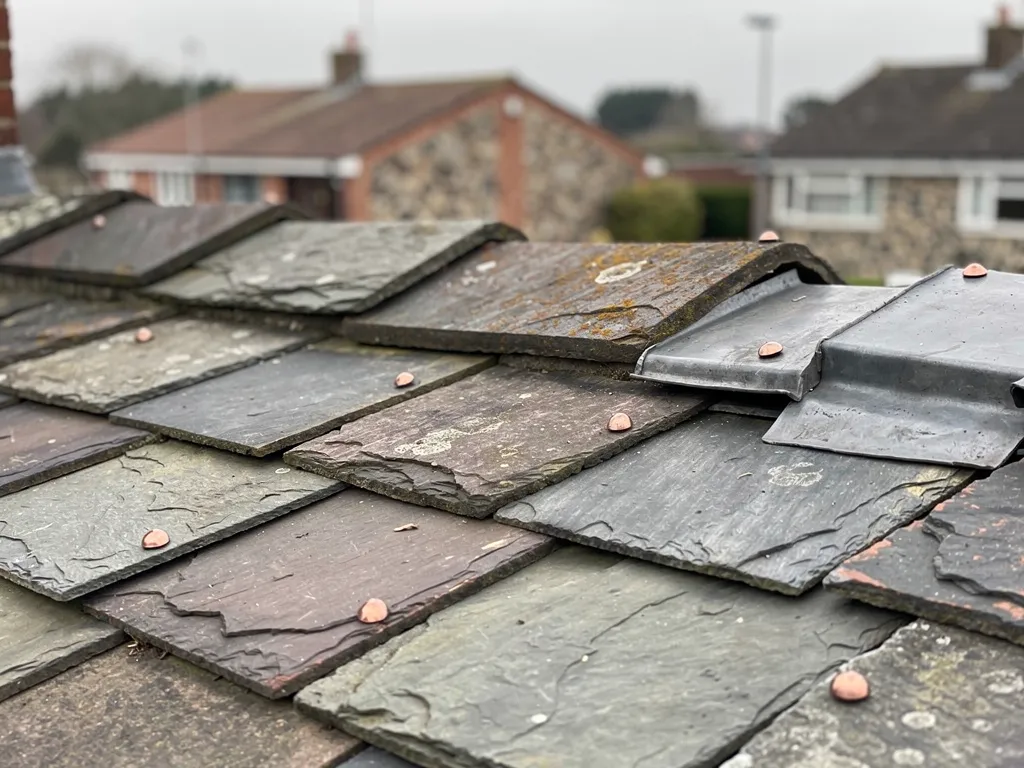
Every slate hangs from two nails driven into a batten, the timber strip fixed across the rafters. Older roofs were nailed in iron, which rusts and snaps after decades of damp. Roofers call this nail sickness. With the nail gone, the slate creeps downhill until the next course halts it, leaving a dark gap in the row. A cluster of slips on one slope tells us the nails behind the neighbours are failing too. Our answer on why slates slip explains how we separate the two.

2.2 Tingles, cracks and flaking slates

A tingle is a short metal strip fixed to the batten that folds over the lower edge of a slate and holds it where its nails no longer will. Cracked slates are replaced outright. Some slates delaminate, splitting into layers after years of frost and damp, and a slate that has layered through cannot be saved. Slate also breaks underfoot, so we spread our weight on roof ladders and boards, and a single cracked slate on an otherwise tidy slope can simply be a footprint from an earlier visitor.

2.3 Flashings, valleys, chimneys and flat roof junctions

Joints are a frequent cause of leaks too. Flashings are lead strips dressed between the slope and any wall or stack rising through it, and soakers are small lead pieces worked in under the courses beside a wall to turn water back onto the slope. When the pointing that holds a flashing's top edge falls out, wind lifts the lead and rain runs in behind it. A valley, the inside channel where two slopes meet, is usually lined with lead and the slates cut to meet above it; leaves and moss block it and water backs up beneath the slates at its sides. At a chimney, the flaunching (the sloping mortar crown that sets the pots) cracks with age, and every crack is a path for rain. Lead work done properly lasts, whereas sealant smeared over failed lead only hides the fault. On a house with an extension, flat roofing, slate roofing and lead meet at the junctions, and where EPDM or GRP laps up to the slate we check the upstand and the lead dressed over it.

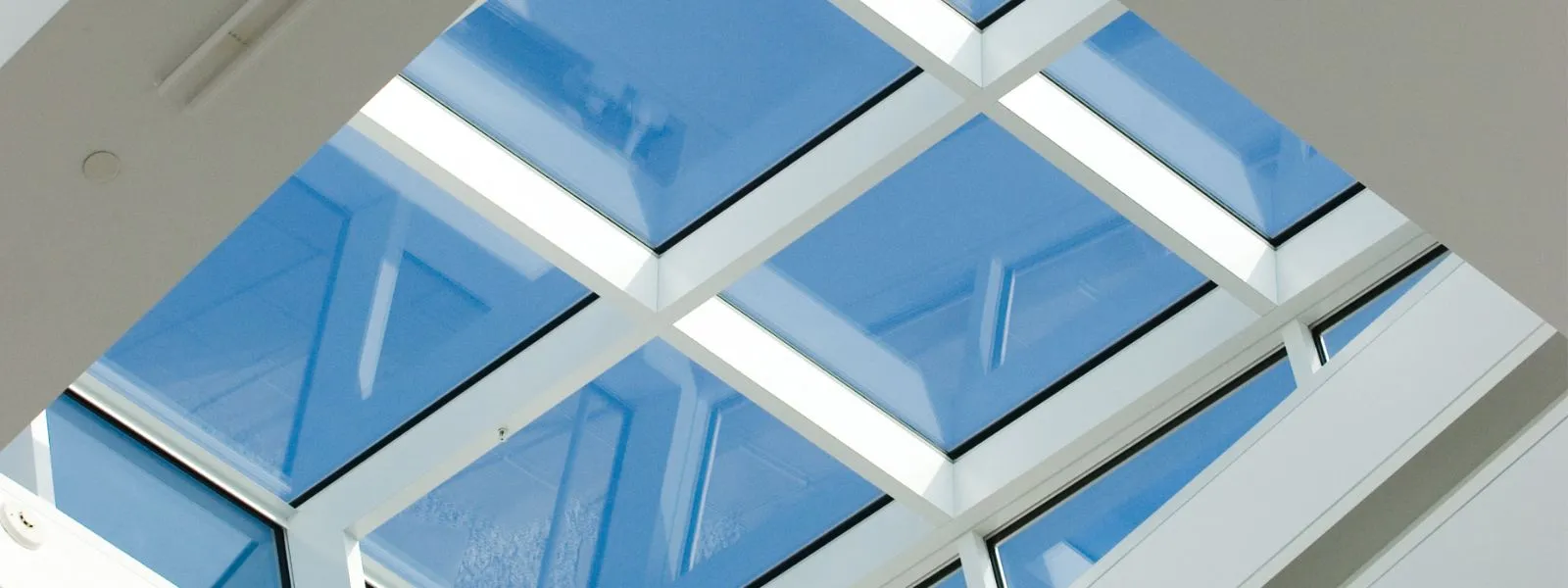
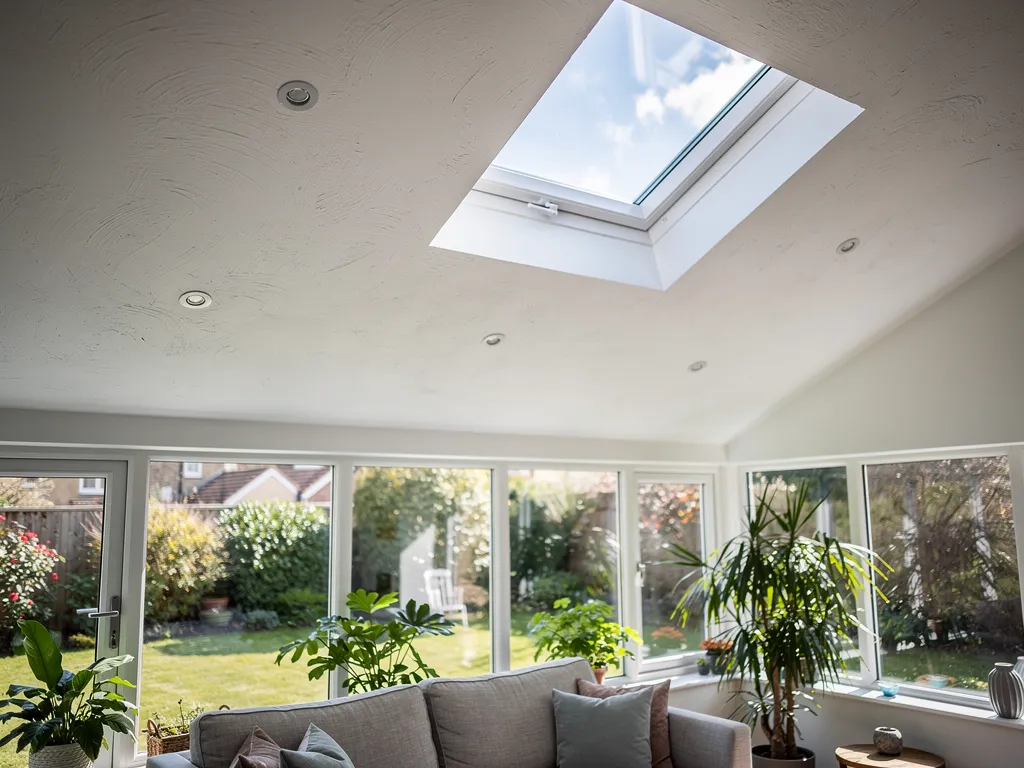
Glazed roof lantern panes from below, blue sky

Fig. 2 On the survey Corroded fixings, with slates slipping below their courses.

Should water be coming through at this moment, set a bowl under the drip, clear belongings away and keep clear of any bulging ceiling, then get in touch. Active leaks and storm damage are prioritised, and our emergency roof repairs page explains how a roof is made safe before the lasting slate repair is planned. A photo of the stain helps, plus one of the slope from the street if that can be done safely, and note the weather and date when the water showed.

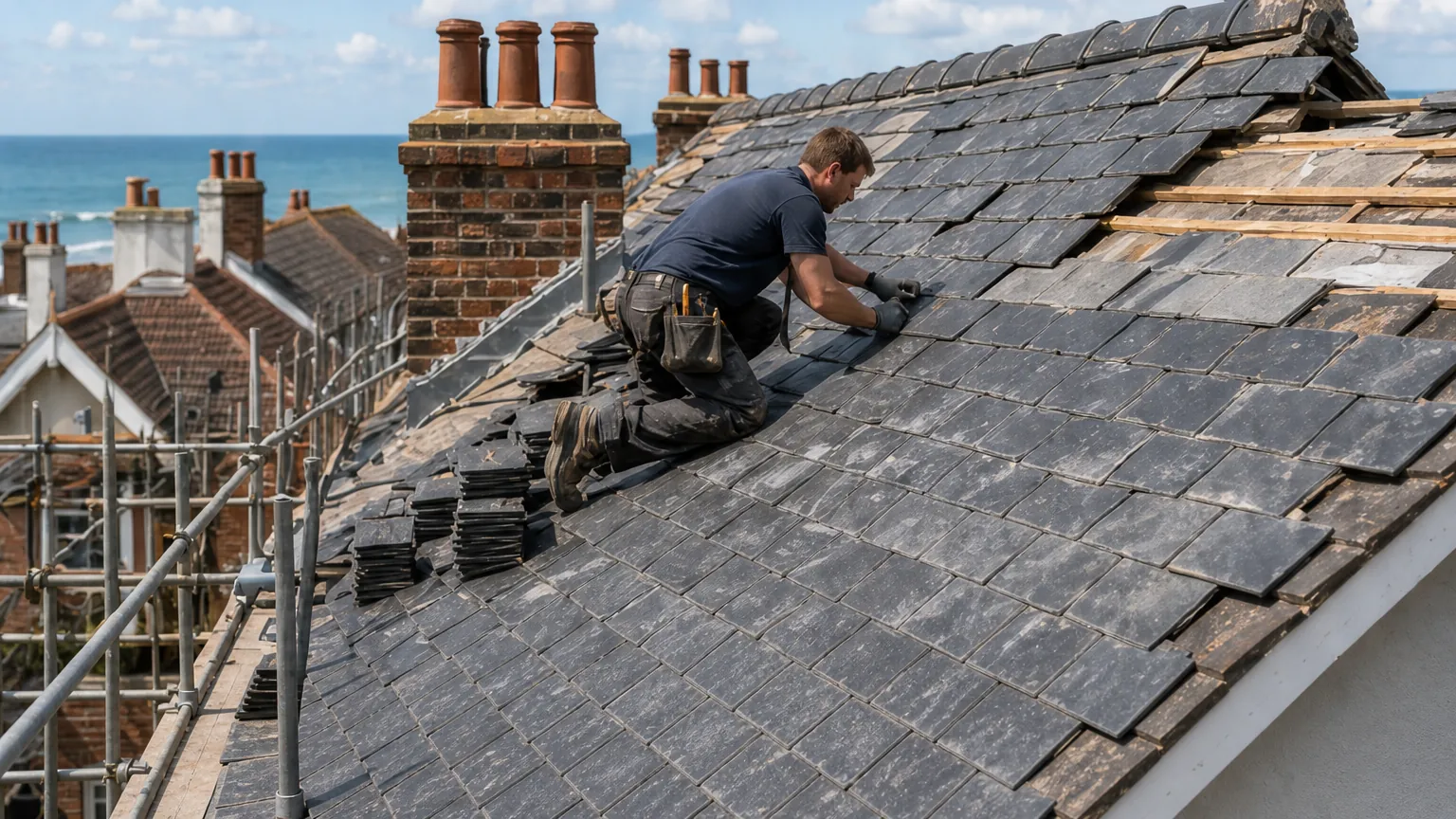
Roofer re-slating a terrace roof from the scaffold, chimney stacks behind

Chapter three

Repair, re-slate or change the covering

A repair suits a sound roof with a clear fault; re-slating suits good slates on tired fixings; replacement suits neither.

Quality slate roofing begins with choosing the smallest job that ends the fault permanently. With slate that leaves three routes, repair, re-slating or a new covering, and the survey shows which suits this particular roof. Repair, replacement and re-slating are all fair answers on the right roof.

At a glance

  • Re-slating reuses sound slates on new battens
  • Scattered slips across a slope point to failing nails
  • Pitch limits which coverings suit a shallow roof

Note Cupa gives no headlap below 25° for 600x300 or 500x250 slates.

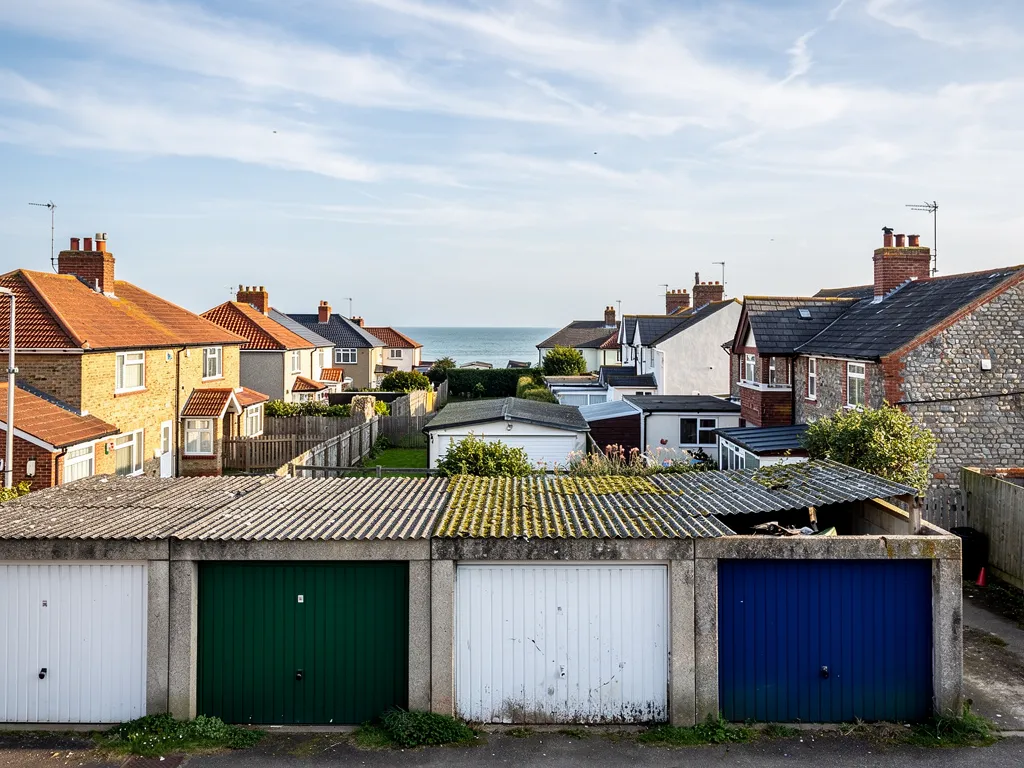
Row of concrete sectional garages with weathered grey corrugated roofs

3.1 When a repair is enough

A few slipped or cracked slates, a lifted flashing or a short run of failed ridge on a roof with sound battens and underlay is repair work. The bill stays modest and the original slates stay on the house. Nothing is stripped that does not need to be. We photograph the fault, name its cause and fix that as well as the symptom, so a slate that slipped on a rusted nail is refixed with a fixing chosen to outlast the slate.

Row of concrete sectional garages with weathered grey corrugated roofs

3.2 Re-slating: same slates, new fixings

Where the slates are good but their fixings are failing across a slope, re-slating is usually the better answer. We strip the slope, sort the slates, reject any that are cracked or flaking, renew battens and underlay that have given up, and relay the sound slates with proper fixings. Slates that pass inspection go back on the roof; the rest are replaced, and where a roof has been patched several times we note each earlier repair in the photographs. Traditional roofs are laid in diminishing courses, the largest slates at the eaves shrinking to the smallest at the ridge, and we keep that pattern so the roof still looks like itself. Shortfalls are made up with matching new or reclaimed slate, and our re-slating guide sets out the sequence.

3.3 Replacing slate with tile, or tile with slate

Changing the covering is a bigger step than it looks. It alters the face of the house, which matters on a street of matching slate roofs and, in some places, in law, as the next chapter explains. It can change the load on the rafters. Pitch narrows the choice too: BS 5534 indicates a minimum of 20 degrees for natural slate, while Marley lists some interlocking concrete tiles for pitches as low as 12.5 degrees. On a shallow extension roof, tile may be the only covering that suits the slope. The type of roofing that fits a house depends on its type of roof, and where the whole roof has reached the end of its life we show you the evidence in the loft and set a new slate roofing solution beside the alternatives.

What people sayA slate roof never needs maintenance.

What is trueThe slate lasts, but the nails, underlay, lead and gutters around it need checking, and a yearly look catches a slipped slate before water reaches the battens.

Repair the roof that is sound; re-slate the one whose fixings have gone.

The same questions apply to domestic and commercial slate roofs, from a terraced house to a church hall or a shop with a slate pitch above its fascia. On commercial work, access and scaffolding shape the job more than the slate does. Landlords and property developers receive the same survey photographs and written quote, which records the roof's condition ahead of a sale or letting. Our roofing survey records each slope separately, so a row of houses or a block of flats gets one clear, photographed record.

Chapter four

Fixing slate against sea gales

Pitch and exposure decide how long the overlap must be and whether slates are nailed or hooked.

The Channel brings Worthing gales, driving rain and salt air, and a slate roof copes with them through how it is laid. Three things decide it: the pitch of the slope, the headlap and the fixing.

At a glance

  • BS 5534 indicates a 20 degree minimum for natural slate
  • Cupa advises against hooks on slopes under 25 degrees
  • Near Shoreham airport the maker may need to advise
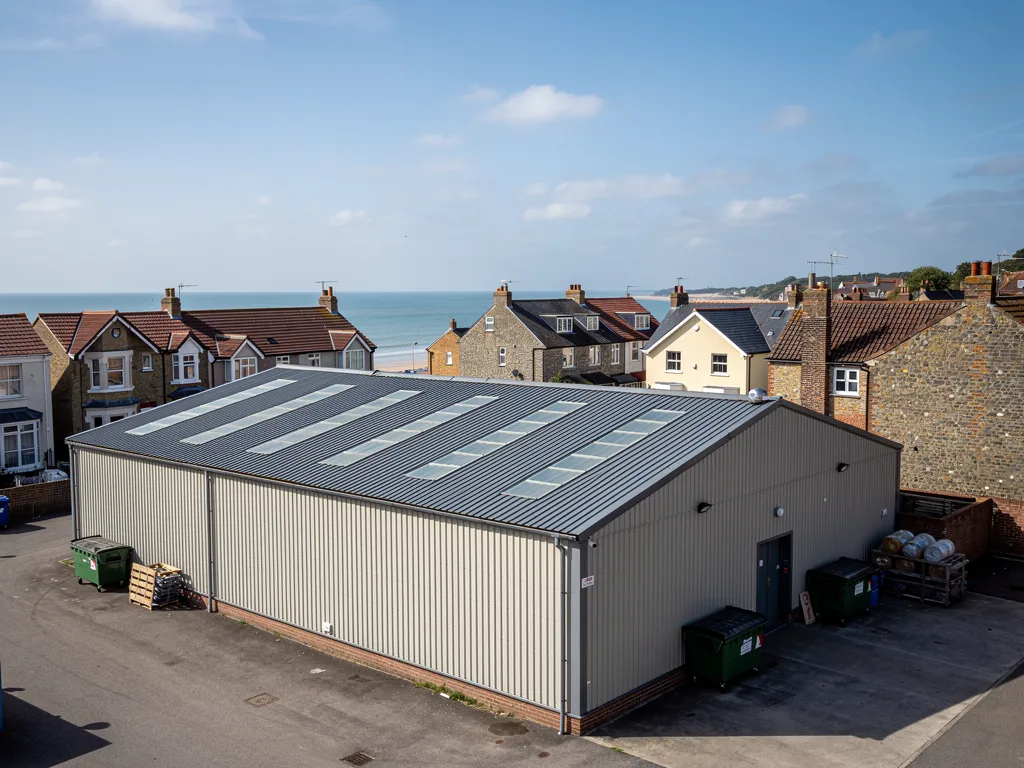
Coastal industrial unit with a profiled metal roof and rooflights

4.1 Pitch and headlap

Pitch is the angle of the slope. Headlap is the amount each slate overlaps the slate two courses below it, and it is the water barrier: the shallower the slope, the longer the overlap has to be to stop rain being driven or drawn up under the slates. Cupa Pizarras, a slate supplier, notes that BS 5534:2014+A2:2018 indicates a minimum pitch of 20 degrees for natural slate, using 500 mm slates, a 115 mm headlap and moderate exposure. Its table gives shorter headlaps as the slope steepens, shown below. Those figures are for sheltered and moderate sites, so we treat them as a floor and set the headlap for the roof in front of us, not for a table.

Coastal industrial unit with a profiled metal roof and rooflights

4.2 Nails, hooks and the fixing schedule

Slates are held by nails driven through the head of each slate or by hooks that catch the tail. Cupa advises against hook fixings on any slope under 25 degrees. Marley notes that a roof pitched below 30 degrees can see severe suction on the slope facing the wind, which lifts the covering rather than pressing it down, so a low slate roof on an exposed run gets particular care. A slope open to the sea carries more wind load than one sheltered by neighbouring houses, and the edges of any slope, where the wind pulls hardest, get extra fixings. Our guide to fixing slate on an exposed site goes through the schedule.

4.3 Ridges, hips, verges and underlay

The ridge is the apex line of the roof, a hip is the raised line down a sloping corner, and the verge is the sloping edge at a gable. Since the 2014 revision of BS 5534, mortar by itself is no longer trusted at the ridge and hips, where the capping tiles are also fixed mechanically, and BS 8612:2018 sets the specification for dry-fixed systems at the ridge, hips and verges. Beneath the slates, sarking (boards or a membrane under the battens) is a second line of defence against wind-driven rain that gets past a slate. Roofs close to Shoreham airport, including some in Lancing and Sompting, may need the manufacturer to specify the fixing, because aircraft can raise local wind loads above the standard calculation.

Minimum headlap for 500 x 300 mm natural slate by pitch, sheltered and moderate sites

Roof pitchMinimum headlap
20 degrees115 mm
25 degrees95 mm
30 degrees80 mm
35 degrees70 mm
45 to 75 degrees55 mm
Source: Cupa Pizarras, minimum headlap and fixing of slates (BS 5534:2014+A2:2018)

Chapter five

Permission, regulations and the protected slate roof

Like-for-like work seldom raises questions; changing the covering, its weight or the insulation can bring in rules.

Victorian slate terrace close to the Worthing seafront with chimneys and bay windows

Most slate work is like-for-like, and like-for-like is the simple route through the rules. They matter when the house is protected, when the job is large, or when the covering or its weight changes.

At a glance

  • Matching repairs rarely need planning permission
  • Non-matching repairs to a listed roof need consent
  • Building control applies past 50 per cent of the roof

Note Western Row's direction, approved in 1979, is annotated as removing all dwellinghouse permitted development rights.

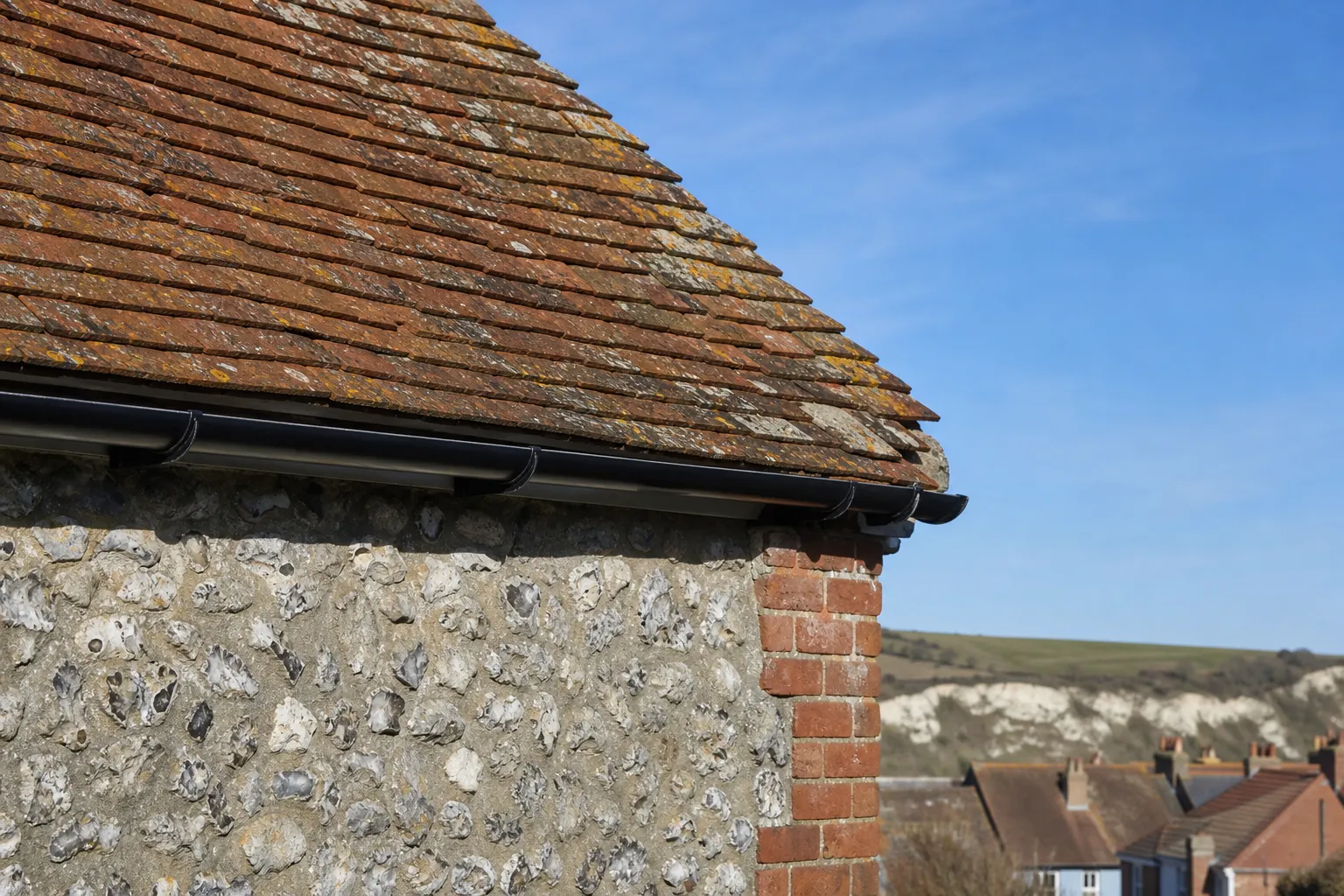
Knapped flint wall meeting the eaves of an old clay tile roof

5.1 Planning, Article 4 and listed roofs

Planning permission is not usually required for repairs or a re-roof in matching materials, since the look of the house does not change. Two caveats apply. The first is Article 4 directions, which the councils have served in a few conservation areas to withdraw permitted development rights. In Kingston Buci and Old Shoreham the directions reach roof coverings on slopes that face a road or right of way. Warwick Gardens, Warwick Place and Western Row in Worthing have older, differently worded directions. In any of those areas, ask the Adur & Worthing planning team before changing a slate roof's material. The second caveat is listing. On a listed building, work using non-matching materials needs listed building consent. The South Downs National Park Authority treats routine maintenance and small repairs done in place and in matching style as outside consent, but needs consent once historic fabric is replaced completely, and it is the planning authority for the Park areas of Adur and Worthing, such as Castle Goring and Highdown. Our guide to slate roofs in conservation areas covers consent in more detail.

Knapped flint wall meeting the eaves of an old clay tile roof

5.2 Building Regulations

Following the Planning Portal's guidance, re-covering usually does not call for a building control application where the work touches under 25 per cent of the building envelope and under 50 per cent of the roof area. Above that, or if the new covering is 15 per cent or more heavier, or will behave significantly differently in a fire, approval applies. Approved Document L adds that renovating more than 50 per cent of a roof's surface means the whole roof's insulation should be upgraded. We explain any such upgrade before the job is agreed, and where the work is notifiable we deal with the building control notification, through a registered building control approver or the council's team.

5.3 Asbestos, fascias and old soffits

A roof that looks like slate on a house built or refurbished before 2000 might not be natural stone. HSE advises assuming asbestos is present in buildings of that age until proved otherwise, and warns that an asbestos cement roof is always fragile, so nobody should walk on one. Asbestos insulating board, which can turn up in old soffits beneath the fascia, is mostly licensed work. Before anyone climbs up, we establish what the roof, fascia and soffit are made from.

Before the first slate is lifted

  1. Check status We ask whether the house is listed, in a conservation area or the National Park, or under an Article 4 direction.
  2. Check material Where a roof, fascia or soffit may be asbestos cement or insulating board, we establish that first.
  3. Check limits We compare the extent of the work with the Planning Portal limits and tell you if building control applies.
  4. Check the loft Where the roof is stripped, we plan how insulation and eaves ventilation will sit under the new slates.

Matching what is already there is usually the simple route through the rules.

Insulation and ventilation travel with a re-slate. On a cold roof with a high-resistance (HR) underlay, Marley's guidance based on BS 5250 asks for a continuous 10 mm opening along the eaves on pitches above 15 degrees, so loft insulation must never block the eaves, and fitting more of it means checking the rafter depth and the ventilation path first, before a single slate goes back. A roost or an occupied nest in the eaves would hold up the strip, so we check for both first.

Chapter six

Slate roof costs, upkeep and what moves the price

Published guides offer a range; access, size, the slate and the loft set where your roof sits.

For a new natural slate roof, MyBuilder's guide gives £100 to £180 per m². Checkatrade, excluding VAT, lists natural slate repairs at £150 to £220 per m², against £110 to £160 for clay tiles and £90 to £120 for concrete. Read them as national benchmarks rather than as our prices; the figure for your own roof comes from what the survey finds.

At a glance

  • MyBuilder puts new slate roofs at £100 to £180 per m²
  • Checkatrade lists slate repairs above tile repairs per m²
  • Check that VAT and scaffold are in the figure

6.1 What moves the cost

Size and complexity come first, since hips, valleys, dormers and chimney stacks all add cutting and lead work. Access follows. MyBuilder's scaffolding guide gives around £850 to £1,200 for a house of two storeys. Where scaffolding obstructs a road or pavement, the scaffold firm must obtain a licence from the highway authority. For Worthing that is West Sussex County Council, which asks for at least 10 working days' notice; Brighton and Hove City Council issues its own in the city. The slate matters next. Welsh, Spanish and man-made slates differ in price, and quality varies within each, while matching an old slate for a repair can be harder than buying a new one. Last comes what lies beneath. Rotten battens or perished underlay found once the slates are off turn a repair into a larger job, so the loft gets looked at before any figure is given. A roof is priced by area, access and condition, not slate by slate, and our slate roof cost guide goes through the national figures.

6.2 Comparing quotes fairly

Put the same questions to every roofing contractor you ask. Is VAT, at the standard 20 per cent, in the figure? Does it cover scaffolding and the licence? Is waste removal included? Did anyone go into the loft, or was the roof priced from the drive? When will the slates be ordered, since a particular size or grade can take time to source? Compare like with like too: a re-slate in Welsh slate and a re-cover in man-made slate are different products at different prices. Ask how experienced the crew is with natural slate, because slating is a skill that shows in straight courses and sound fixing. A price given after a proper look beats a lower guess from the ground. We price the whole job as one figure, and we keep that figure good and fair.

Typical UK costs per m², slate and tile

  • New natural slate roof£100 to £180 per m²
  • Repair, natural slate£150 to £220 per m²
  • Repair, clay tiles£110 to £160 per m²
  • Repair, concrete tiles£90 to £120 per m²

National guide figures; the Checkatrade repair rates exclude VAT, and none is a price for a particular roof. Source: MyBuilder slate roof cost guide, updated 21/08/2026; Checkatrade roof repair cost guide, table last updated June 2026.

6.3 Upkeep: gutters, moss and a yearly look

Roof maintenance on slate is light. Clear leaves from gutters and valleys each autumn, and after a big gale glance along the ridge, the verges and the rows of slate. A slipped slate caught early costs far less than the same fault found once water has soaked the battens. Moss can be removed by gentle hand cleaning; MyBuilder's cleaning guide cautions against pressure washing delicate coverings and prices cleaning a slate roof at £500 to £1,000. A look from the ground costs nothing, and a full roof inspection can be booked whenever something looks wrong.

Slate roof questions from West Sussex homeowners

Why is a slate roof priced by the square metre and not per slate?

A re-slate also pays for battens, underlay, fixings, lead work, ridges, scaffold and clearing the old covering, and those scale with area and access, not slate count. MyBuilder's national guide puts a new natural slate roof at £100 to £180 per m². A small repair is priced for the visit, the access and a matching slate. We confirm the figure for your roof after the survey.

Is there a downside to having a slate roof?

Cost is the usual one, since Checkatrade's repair rates run higher on natural slate than on clay or concrete tiles, so a slate repair usually costs more per square metre. A matching slate for an old roof can also take some finding. The stone itself lasts; rusted nails, tired underlay or failed lead are what usually let a slate roof down, and all three can be put right.

Will my slate roof see out another thirty years?

Possibly, and the survey tells us more than the date. MyBuilder says a well-installed slate roof will last 80 to 100 years or more, though exposure, workmanship and fixings all play a part. In the loft we study the underlay, battens and nail heads; on the slopes we count the slips and look for flaking. Those clues separate a repair from a re-slate.

How long will a re-slate take on a Worthing semi?

That turns on how big the roof is, the number of slopes, the scaffold and the weather, so we give no timescale until we have seen it, and we agree the start window with you in advance. Once the survey is done you receive a plan alongside the quote, and if the forecast shifts the dates, we tell you before it disrupts your week.

Will my insurer pay for slates blown off in a gale?

The Financial Ombudsman Service weighs whether a storm hit on the day, whether the damage fits that pattern and whether the storm was its main cause, and many policies leave out damage that developed slowly over time. Slates that went because rusted nails had already failed may be treated as wear. Photograph the damage, tell your insurer first and keep invoices. We supply photographs of the cause; the claim stays yours.

Can I swap slate for tiles on a house in a conservation area?

A conservation area alone does not stop a re-roof, but a new covering alters how the house looks, so check with the Adur & Worthing planning team first, or the South Downs National Park Authority inside the Park. Where Article 4 directions apply, as in Kingston Buci and Old Shoreham, they reach roof coverings on slopes facing a road or right of way. A change of material on a listed building needs listed building consent.

Guides to slate costs, repairs and fixing

Answers on slate roofing Worthing homeowners ask about: what slate costs, why slates slip, the minimum pitch, fixing on an exposed coast and repairs on period roofs from Littlehampton to Brighton.

Guides

Quick answers

Tell us about your roof

Describe what is happening and we will call you back to arrange a visit.

  • Photographs of what we find
  • A written quote with one total price
  • Or call 01903 299063
Call Get a quote